© EtiAmmos/Shutterstock.com
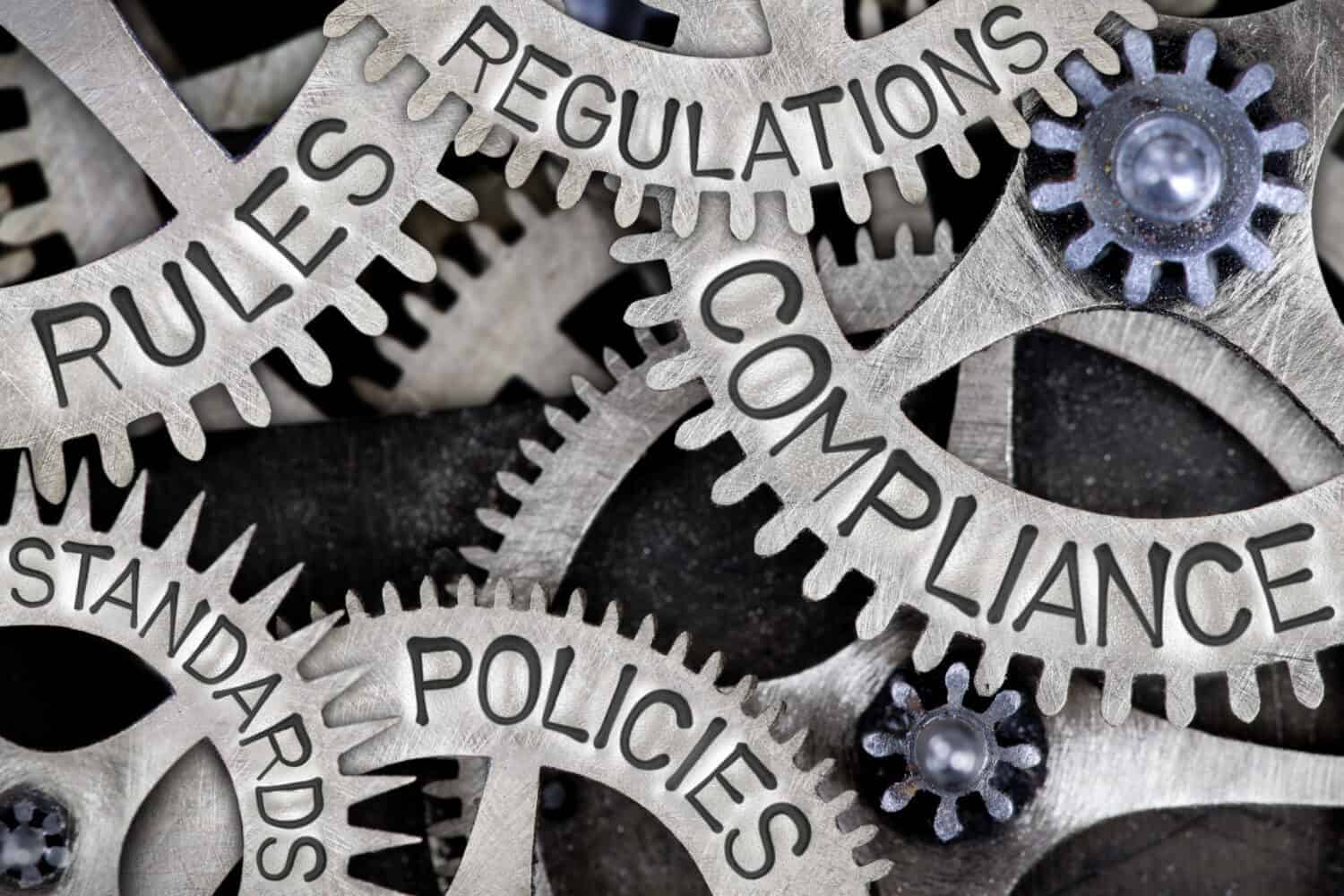
Compliance is a central part of any business’s operations, especially given how highly regulated the landscape is today. As a strategic necessity, organizations are facing increasing pressure to show transparency, accuracy, and fit within the regulatory requirements necessary, regardless of whether they’re in finance, healthcare, public services, or any other sector. Adhering to these compliance requirements is often reactive, burdened by manual workflows, redundant handoffs, and legacy practices. This leads to increased cycle times, elevated costs, and heightened exposure to risks.
Business Process Reengineering, or BPR, offers a means to use a structured, transformative approach to redesigning your compliance operations. Rather than making use of incremental improvement methods, BPR focuses on completely rethinking your workflows with the aim of massive breakthroughs in performance, timeliness, and overall efficiency.
BPR for Compliance Requirements

©Golden Dayz/Shutterstock.com
At its heart, BPR is built for the radical redesign of business processes to deliver significant improvements. You’ll turn to it when you’re looking to increase quality, cost, speed, or the level of service being provided by your processes, often when things like incremental improvement have failed. When tuned toward compliance, BPR challenges traditional views of how monitoring, reporting, and validation are performed. Rather than layering additional controls on existing workflows, BPR encourages organizations to automate repeatable tasks, eliminate non-value-added steps, and ultimately tailor workflows with compliance as part of their function, rather than an afterthought.
Your core objectives when using BPR for compliance are going to be to reduce compliance cycle times, along with helping your backlog, increase accuracy, minimize manual rework, enhance transparency, and strengthen your governance through standardized processes. Lean and Six Sigma emphasize incremental refinement, waste reduction, and consistency. BPR can complement these practices, but it addresses fundamental process gaps and structural inefficiencies first and foremost.
How to Reengineer Your Compliance Processes
Now that you’ve got an understanding of where BPR for compliance can be utilized, let’s take a closer look at how you can practically implement it. You need discipline, metrics, and an organizational cultural shift to take full advantage of it to meet compliance requirements. That said, you should have a solid framework with these steps.
Identify Pain Points and Objectives
Before starting any BPR for compliance initiatives, you want to define the current pain points, bottlenecks, and so forth. Common signs that you might want to make use of the methodology might be excessive manual tracking, inconsistent documentation, multiple approvals for basic tasks, or failure to stick to regulatory timelines. From here, you can establish measurable goals, like reducing cycle time, improving audit accuracy, or reducing the total labor hours needed for compliance.
Map Current Processes
After establishing where any pain points are within the current process, you need to map everything. Tracing workflows from the start of your data intake all the way to your reporting and auditing stages can be extremely illuminating. You can readily see bottlenecks, hand-offs, redundant validations, and systems that simply don’t work. Teams can go a step further with the mapping of current processes, with cross-functional collaboration allowing for alignment between compliance, business operations, IT, and legal teams.
Challenge Legacy Assumptions
One of the core considerations when looking at BPR for compliance is the need to question everything about long-standing practices. You aren’t looking to optimize these, after all, but rather redesign them from the ground up to handle your needs. As an example, you might want to determine whether parallel approval streams can be consolidated or if you can make use of automated rules to replace unnecessary human validation.
Design the New Process
When designing your new workflows and processes, you’ll want to emphasize automation, risk-based controls, and standardization across the board. Digital tools should function as an enabler, with document management platforms, workflow software, and compliance analytics dashboards being present. Redesigned processes should reduce human approval steps where possible while supporting proactive compliance monitoring.
Pilot, Train, Implement
You don’t want to push a newly designed process to production just yet. Instead, deploying these redesigned processes to a controlled, safe environment can validate whether your design is working. If so, then the next task at hand will be to give your teams comprehensive training with the newly designed processes, so adoption aligns with internal governance and regulatory needs.
Measure Results and Standardize
After your newly designed process is successfully implemented, you’ll want to measure some core metrics. These might include things like compliance cycle time, manual intervention frequency, audit exception rates, cost-per-compliance activity, and digital adoption rates. You can further sustain improvements by embedding standardized documentation, best practices, and implementing continuous monitoring mechanisms where possible.
Benefits of BPR for Compliance

©Oakland Images/Shutterstock.com
So, why should you use BPR for compliance? There are some tangible benefits for any organization that is making use of reengineered processes, which can include:
- Significant reductions in manual compliance efforts through automation.
- Improved audit readiness thanks to standardized reporting.
- Higher accuracy rates, reduced rework, and regulatory findings.
- Enhanced scalability, as your organization can adapt to changing regulations as they emerge.
This doesn’t just reduce your regulatory risk, but also allows compliance personnel to focus on the work that matters, like advising and complementing strategic vision.
Other Useful Tools and Concepts
Ready to start the work week right? You might want to take a closer look at how Hoshin Kanri can take your strategic vision and translate that into a tangible reality. Hoshin Kanri is a complementary strategic planning approach that is primarily used with methodologies like Lean. By making use of it for your operations, you’ll be ready to tackle any goals that you’re setting.
Additionally, you might want to take a closer look at how Scrum enables teams to tackle complex projects without missing deadlines. Scrum, an Agile framework, emphasizes the need for breaking down complex tasks into readily accomplished goals over the course of 2 to 4 week work cycles called Sprints. It isn’t just for software development, as you’ll find it can be easily used across any industry.
Conclusion
Staying within compliance requirements isn’t a matter of simply adhering to given standards. Organizations should be achieving compliance while maintaining speed, efficiency, and quality throughout. BPR for compliance provides a powerful, proven framework to go from reactive functions to a streamlined, agile platform. By making use of technology as an enabler, disciplined change management, and a complete redesign of processes, any organization can achieve long-term resilience despite shifting regulatory requirements.
