
© Net Vector/Shutterstock.com
Key Points
- The idea that Kanban is only for manufacturing is a definite misnomer.
- This project management method can be applied across various industries and verticals.
- Even everyday consumers can use Kanban boards to help manage their workflow.
If you jump back in time to the 1940s, Toyota was seeking ways to manage better and control the work taking place at each step of the manufacturing process. The idea behind Kanban came from Toyota, while other companies adopted a work management process that focuses heavily on visualizing work, including how to limit work in progress effectively to increase efficiency.
For a process that is less than 100 years old, Kanban has already had a highly influential impact. While most people think of it strictly as a tool used in the manufacturing space, there is no reason to limit Kanban to just one approach. Instead, it’s become a commonplace project management tool that continues to expand in scope and purpose.
What Is Kanban?

©Pedal to the Stock/Shutterstock.com
In simple terms, Kanban is a scheduling system that is designed to optimize workflow and has since grown into a full-blown project management methodology. The use of Kanban has even spawned popular apps like Trello, which everyday people can use to try to integrate this approach into their lives.
The notion of using a visual workflow tool comprising a Kanban board and Kanban cards is highly effective. Each column in a Kanban board is specifically assigned to different stages in a process.
A Kanban card will then be moved from stage to stage as work or tasks are completed. This process is not only highly effective for full-blown manufacturing processes but also for individuals seeking to be more efficient with their time on any given day.
Can Kanban Expand Beyond Manufacturing?
While Toyota and other major brands have demonstrated the effectiveness of Kanban in the manufacturing process, the question remains whether it will be successful outside of this arena. The answer is quite simple: Kanban isn’t and should not be restricted to just physical production. The very nature of Kanban as a project management tool makes it ideal for all sorts of industries.
The entire idea is that Kanban provides everyone with a clear view of what tasks are taking place, enabling teams to track the progress of each step in real-time. Better yet, Kanban can reduce bottlenecks by allowing teams to limit the amount of work in progress, as everyone can already visualize their current responsibilities.
Non-Manufacturing Use Cases
Software Development

©EyeFound/Shutterstock.com
If you thought manufacturing was the only place a project management tool like Kanban would be successful, Microsoft, Atlassian, and Spotify would like a word with you. All of these companies utilize tools like Jira to create digital Kanban boards, which help visualize software development and IT operations.
These software teams will examine how to manage every iterative development cycle most effectively. Using a Kanban board will help the actual developers visualize coding, testing, and deployment across different sprints. With a visual approach available to every key stakeholder, it should be easier to ensure that developers, testers, and product managers are all aligned.
In most cases, it’s easy to guess that a Kanban board at a company developing an app or key software release would have columns like Backlog, In Progress, Code Review, Testing, and Done. Tasks would include coding new features, fixing identifiable bugs, and deploying updates as needed.
Marketing and Content Creation
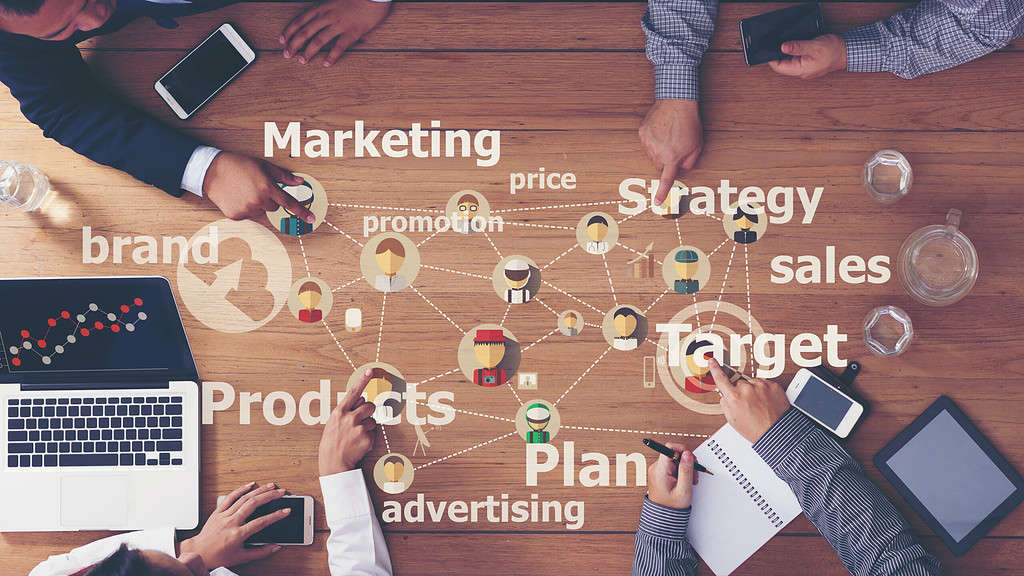
If you’re a marketer with a focus on content creation for a blog or social media, a Kanban board can be a great help. Marketing teams regularly use Kanban tools to help organize their content creation goals, spanning from ideation to publication. A Kanban board in this field can help with tasks such as writing articles or posts, designing visuals, and scheduling content.
In a real-world example, you might find a digital marketing agency with a Kanban column that reads something along the lines of Ideation, Content Creation, Editing, Legal Feedback, Approval, and Published. The tasks that would go along with these columns would look something like drafting a blog or social media post, creating the graphics, and scheduling the social media content.
If you are in this space, there is a good chance you already know names like HubSpot, Buffer, and Hootsuite, all companies that use the Kanban workflow. Additionally, popular tools like Trello and Asana are purpose-built for Kanban work in the marketing world and well beyond.
Human Resources
In the human resources space, using Kanban to manage everything from recruitment to job postings and onboarding new hires can be highly effective. Instituting a Kanban board in this space will be extremely helpful for guiding candidates through stages such as screening, interviews, and offers, which helps make for a smooth hiring process.
The hope is that using Kanban for project management will reduce the time-to-hire by making the recruitment and HR process more efficient. On the one hand, it should make sure that candidates are provided with timely follow-ups so they know where they stand in the process. Additionally, it should also help HR teams and hiring managers stay on the same page with different candidates currently in the interview or offer process.
Companies like LinkedIn, Zappos, and Workday all famously use Kanban to optimize their current HR processes. These companies use digital boards to track candidates based on their position in the HR pipeline, which hopefully speeds up the hiring process.
Healthcare

©dragana991/ via Getty Images
If you are in the healthcare space, there is a good chance that enabling Kanban for project management will be a great decision. The hope is that Kanban will streamline patient care, as it has already proven to do. Busy hospitals, in particular, can make strong use of the Kanban process, allowing nurses, doctors, and other personnel to see if a patient is currently in a stage such as check-in, triage, testing, consultation, or treatment.
By adding Kanban to its processes, each patient can be categorized appropriately to help prioritize the level of care they require. While this is an unfortunate truth, as each patient deserves excellent care, there is no question that, depending on the level of injury, patients must be prioritized in an emergency room, for example. A Kanban board can do precisely that and can also help different departments coordinate.
The primary reason to implement Kanban boards in the healthcare space, particularly in hospitals, is that they can help reduce overall bottlenecks. As this is a place where time is quite literally of the essence, ensuring seamless care is critical. This is why places like the Mayo Clinic and the Cleveland Clinic are both recognized for their use of Kanban in managing patient workflows.
Event Planning

In the event planning world, organizing corporate events, weddings, or conferences can greatly benefit from the Kanban experience. This process management will enable event planners to coordinate vendors effectively and work with multiple clients simultaneously.
For an event company, consider a Kanban board that looks something like Planning, Vendor Coordination, Promotion, Execution, and Post-Event Review. The various stages and tasks will include securing the venue, sending invitations, securing sponsors, and any other dozen possible tasks involved with a successful event.
It should come as no surprise that companies like Eventbrite make good use of Kanban, just as local event planners can and should. Using a digital Kanban board makes it easy for local planners to make adjustments on the go.
Other Useful Tools and Concepts
If the topic of Kanban interests you, there is good news: plenty of reading material is available on this topic. For example, learning about how Kanban can streamline processes and improve efficiency is a hot topic. Better yet, you can look closer at how Scrum and Kanban can both be the proper agile framework for your organization, depending on your needs.
Once you are done with Kanban topics, it’s perfectly okay to move on to something even more interesting, like the role of a Scrum Master. This is a definite hope topic, and it’s almost Kanban-adjacent, as this is an entire role and process set up to help teams be super successful and drive efficiency.
Conclusion
There is no doubt that Kanban has numerous real-life applications that extend well beyond manufacturing. This article only scratches the surface of its applicability in the real world. As someone who has used Trello repeatedly over the years, it’s easy to testify exactly how great a project management method Kanban is for a variety of reasons.
Even if it’s just to keep one individual in line with their work, Kanban has so many different ways to help you find success.
