© shaunl / iStock Unreleased via Getty Images
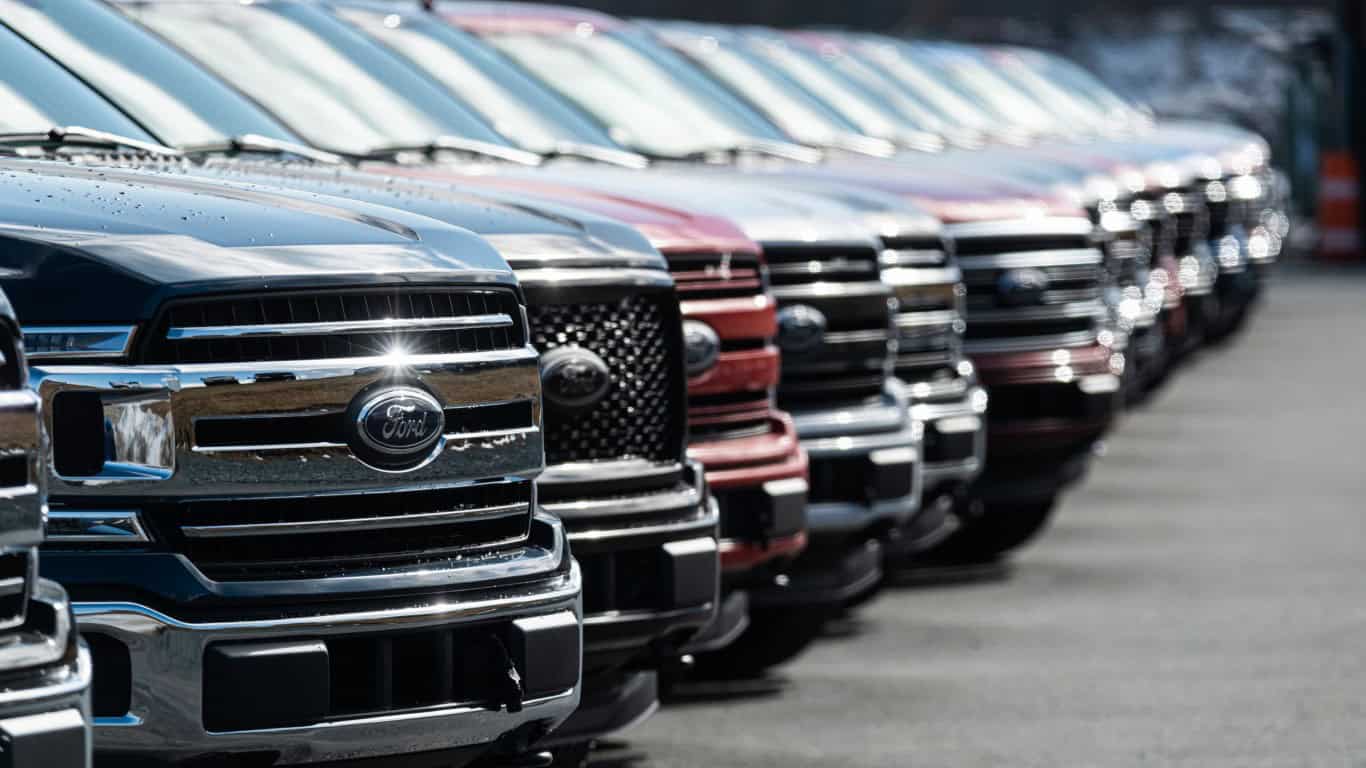
Americans rarely agree on one perfect pickup, but a handful of nameplates keep earning repeat buyers, packed owners’ groups, and a lasting place in truck culture. This selection looks beyond raw sales to the qualities that create loyalty: useful design, proven capability, everyday comfort, resale strength, and the ability to keep serving after the novelty wears off. It is not a scientific popularity poll, and “loved” does not mean flawless. Instead, these 15 trucks show how manufacturers turn customer needs into products people recommend, replace with newer versions, and often refuse to give up.
Ford F-150
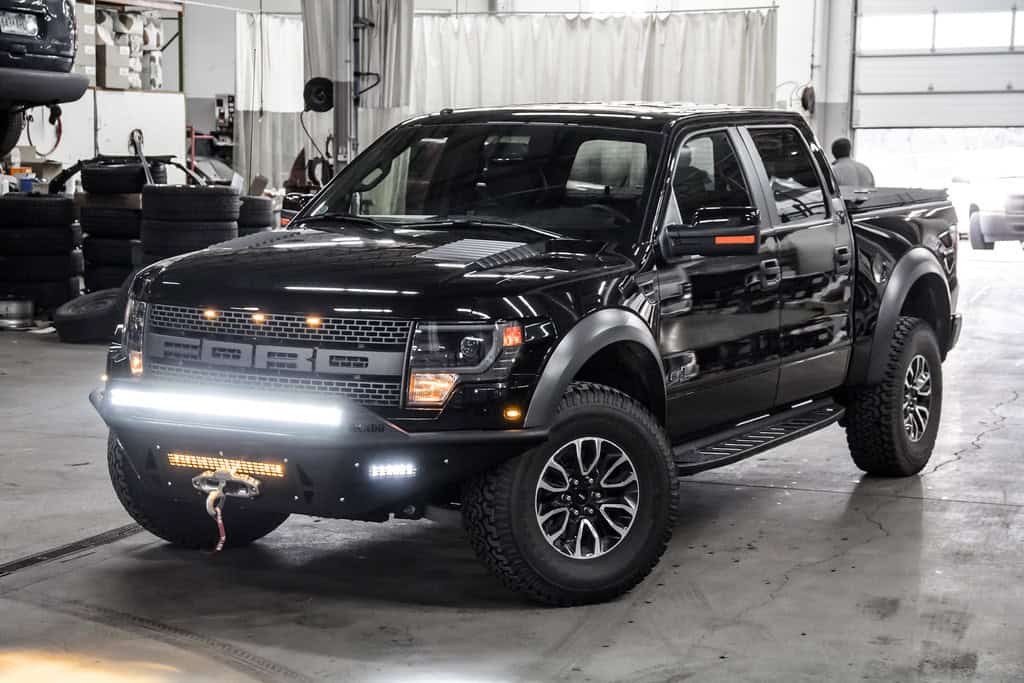
The F-150 sits at the center of Ford’s truck identity because it can be configured for commuters, contractors, campers, and performance fans without losing its familiar character. One important distinction is that Ford reports the sales crown for the broader F-Series, not the F-150 alone. The company says F-Series finished 2025 as America’s best-selling truck line for a 49th consecutive year. Ford’s 2015 switch to an aluminum-alloy body also helped reduce weight while retaining a fully boxed steel frame. Today, the F-150’s broad mix of cabs, beds, engines, and trims makes it less like one truck than a flexible platform built around many kinds of work.
Toyota Tacoma
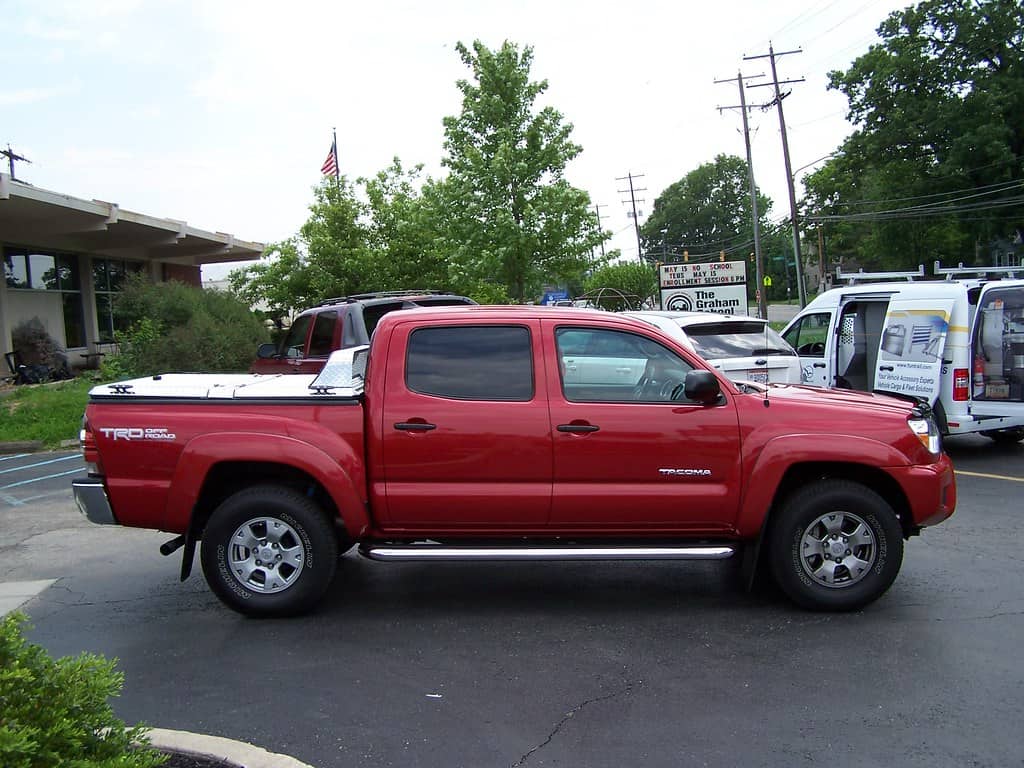
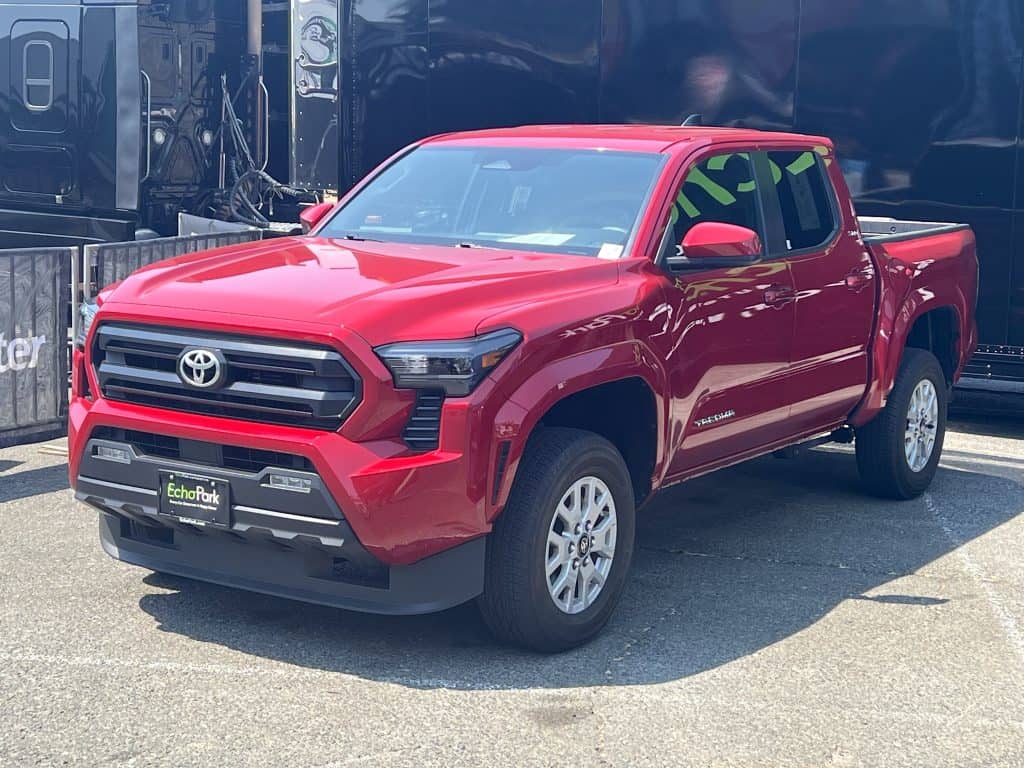
The Tacoma built its following by giving midsize-truck buyers a manageable footprint, credible trail ability, and unusually strong resale value. Enthusiasts are especially attached to the second generation, sold for model years 2005 through 2015, and the third generation, which covered 2016 through 2023. That reputation should not be turned into a promise that every example is trouble-free, since age, maintenance, rust, and use matter greatly. The fourth-generation Tacoma arrived for 2024 with turbocharged powertrains, an available hybrid, and a wider range of specialized trims. Through every redesign, Toyota has kept the basic formula recognizable, which helps explain the unusually loyal audience.
Chevrolet Silverado 1500
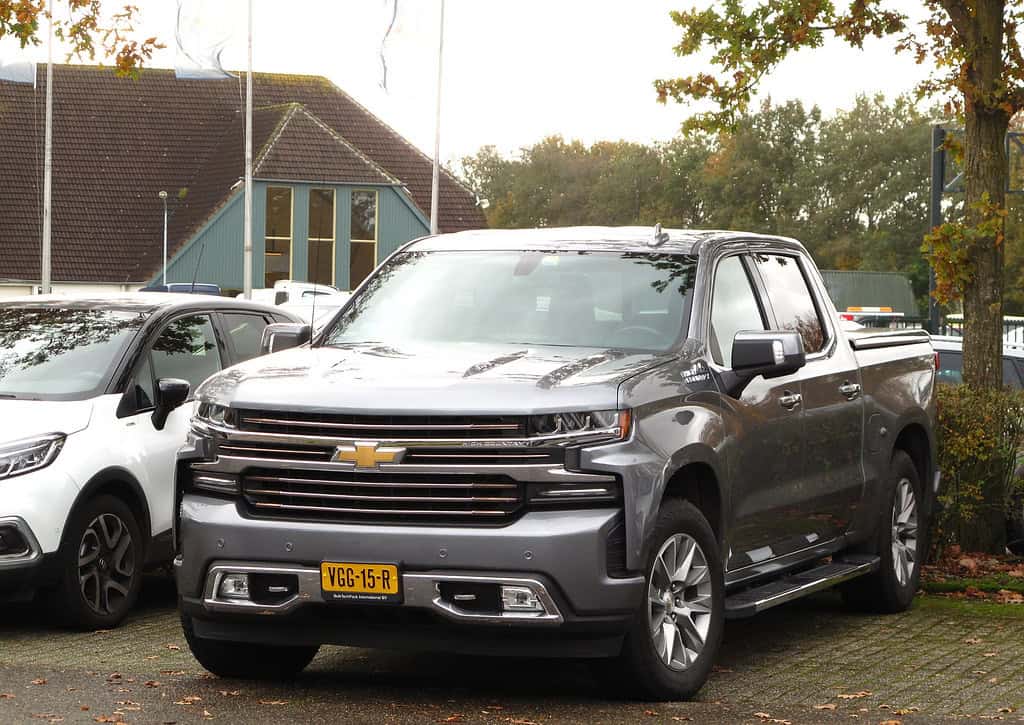
The Silverado 1500 remains a familiar answer for buyers who want a traditional full-size pickup with plenty of choices. Chevrolet offers work-focused configurations, high-content daily drivers, off-road trims, multiple bed and cab combinations, and a broad powertrain menu. Properly configured recent models can tow up to 13,300 pounds, but that ceiling depends on engine, drivetrain, axle, cab, bed, equipment, cargo, and passengers. The Silverado’s appeal is not built on one headline number. It comes from the ability to move from job-site duty to family travel while keeping controls and cargo solutions practical. That breadth has helped Chevy sustain a large, multigenerational owner base.
Ram 1500
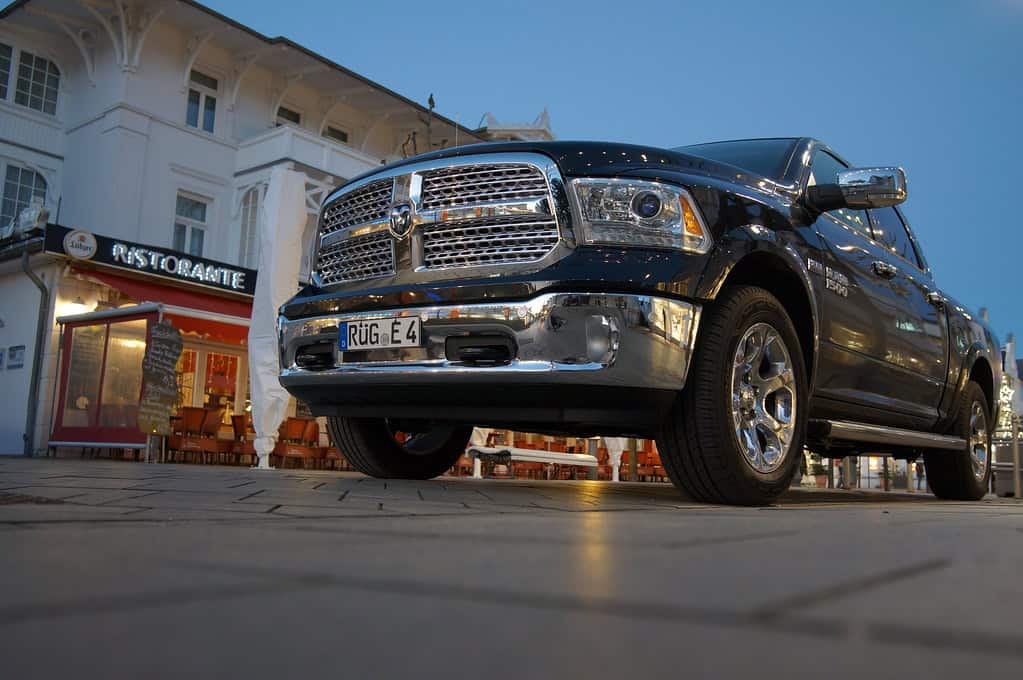
Ram became a stand-alone truck brand under Chrysler in 2009, giving the product team a clearer identity to build around. The Ram 1500 subsequently became known for a cabin and ride that could feel unusually refined for a full-size pickup. Its coil-spring rear suspension is central to that road comfort, while available air suspension adds another layer of versatility. Ram also received a loud lesson in customer preference when the 5.7-liter Hemi V8 disappeared for 2025. The company brought it back for 2026 and openly credited strong owner demand. That response illustrates why the 1500 inspires loyalty: capability matters, but so does listening when buyers say a defining feature has been lost.
Toyota Tundra
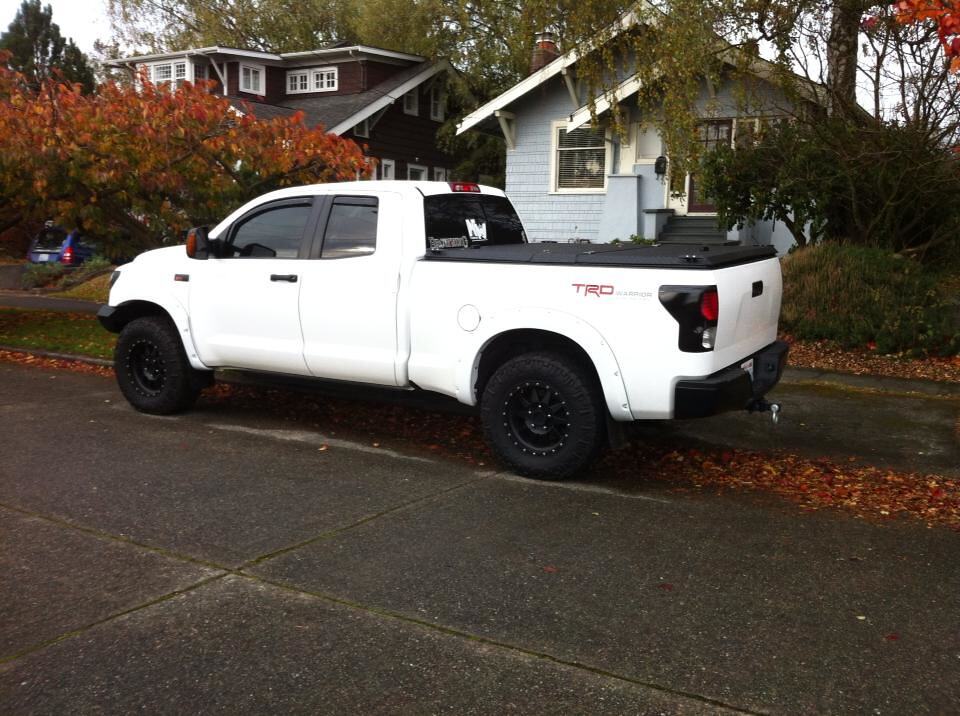
The Tundra never needed to outsell Detroit’s full-size leaders to earn a devoted American following. Much of that affection centers on the second generation, sold from 2007 through 2021, whose long production run created a deep supply of parts, knowledge, and used examples. Calling every Tundra indestructible would go too far, but well-maintained older trucks have become prized by owners planning to keep them for years. The third generation moved to twin-turbo V6 power, with an available hybrid replacing the old V8 formula. For 2026, Toyota lists up to 437 horsepower, 583 pound-feet of torque, and a 12,000-pound maximum tow rating. The Tundra’s appeal is endurance paired with a distinct alternative to the domestic brands.
GMC Sierra 1500
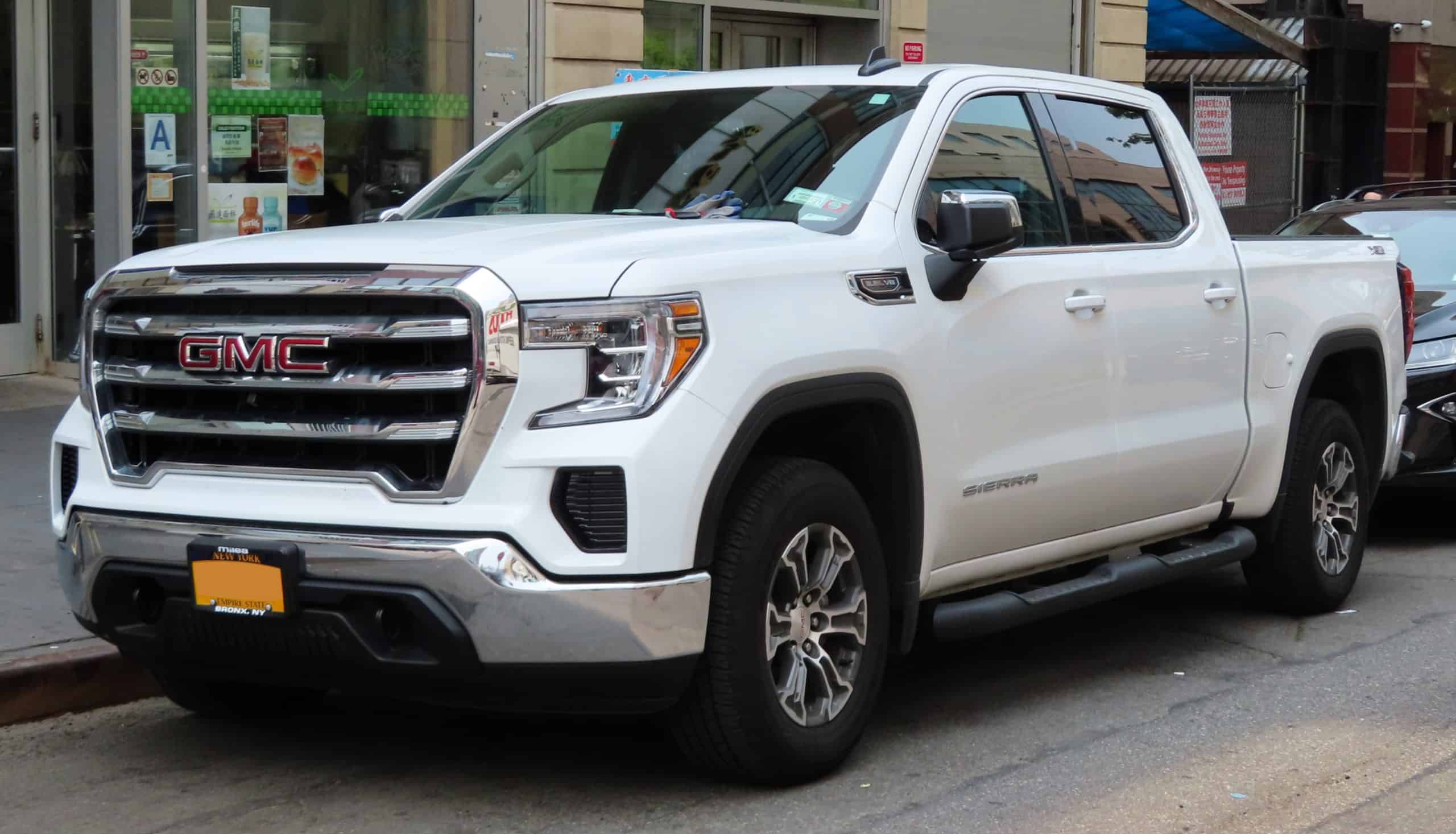
The Sierra 1500 shares its basic architecture and major powertrains with the Chevrolet Silverado, yet GMC gives the truck a different personality. Work-oriented Pro models anchor the range, AT4 and AT4X versions target trail use, and Denali trims push materials and technology toward luxury territory. The available six-function MultiPro tailgate is another feature owners can appreciate every day, whether they are loading cargo or creating a step into the bed. A properly equipped Sierra can also post serious towing numbers, with recent configurations rated above 13,000 pounds. Buyers are not simply paying for a different badge. They are choosing a more upscale interpretation of GM’s proven full-size truck formula.
Ford Ranger
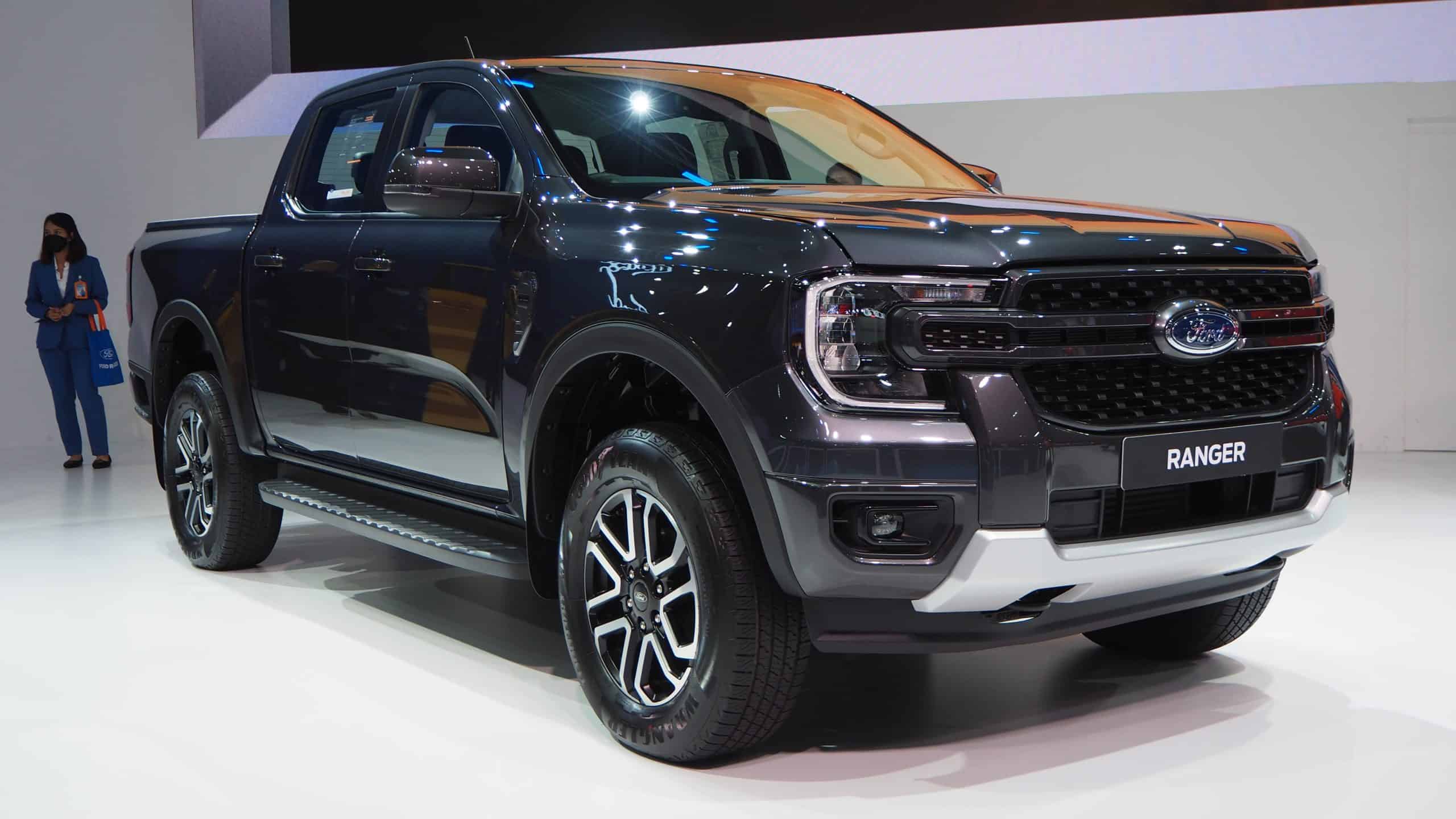
Ford returned the Ranger nameplate to the United States for the 2019 model year, filling the sizable gap below the F-150. It is a midsize pickup, not a compact, and that distinction matters because today’s Ranger can tow, haul, and venture off pavement without demanding a full-size parking space. The latest U.S. generation arrived for 2024 with a wider stance, updated cabin technology, and the first American Ranger Raptor. Buyers appear receptive: Ford reported 70,960 Ranger sales in 2025, an increase of 53.6 percent from the prior year. Its appeal comes from balance. The Ranger is big enough for meaningful work and recreation but easier to place on a trail or in a garage than many full-size alternatives.
Chevrolet Colorado
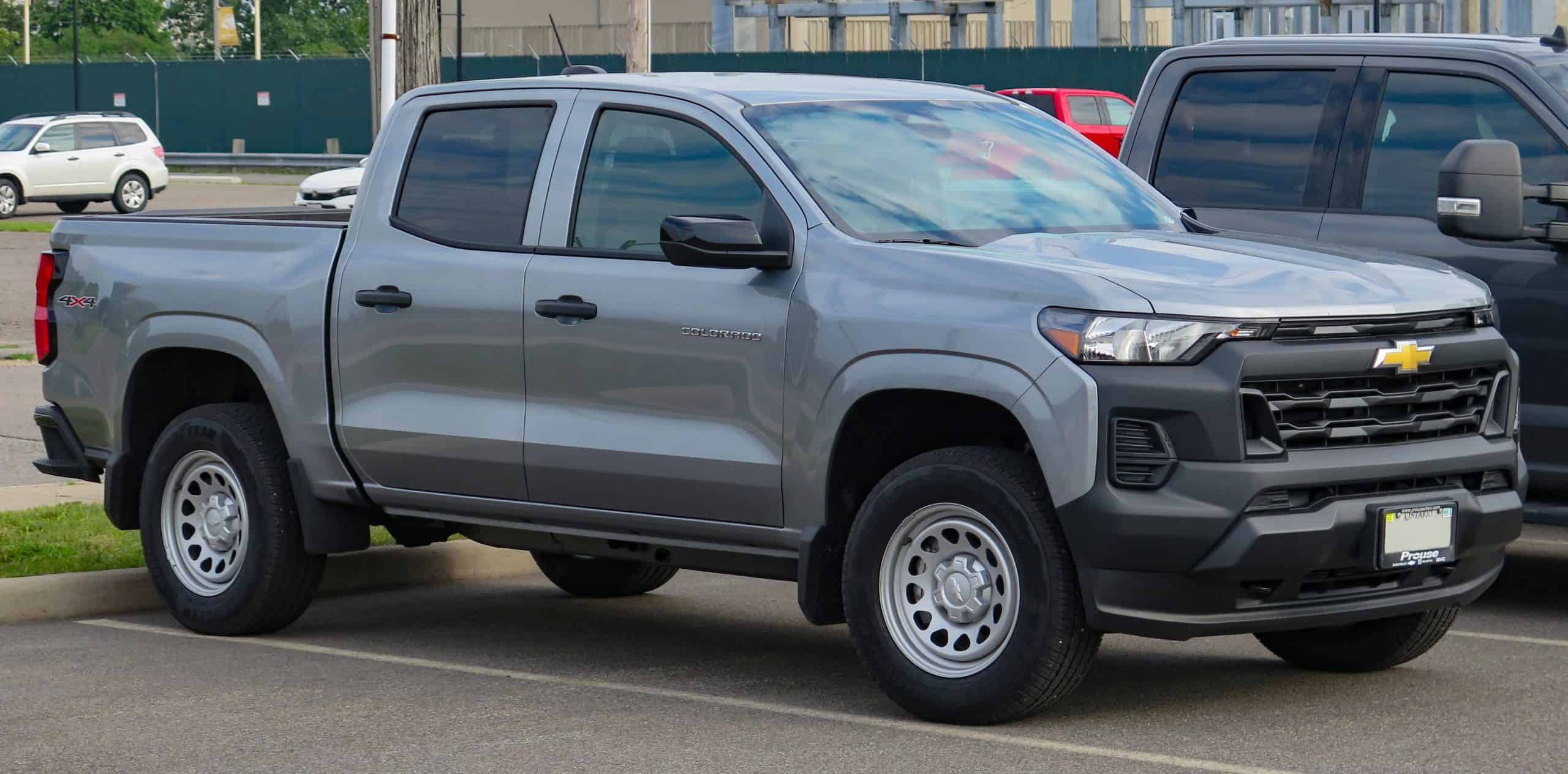
Chevrolet revived the Colorado in the United States for the 2015 model year after a brief absence, just as midsize pickups were regaining momentum. The third generation followed for 2023 with a crew-cab, short-bed format and a turbocharged four-cylinder engine across the range. Its lineup gives shoppers clear choices: Work Truck and LT favor everyday usefulness, while Trail Boss, Z71, and ZR2 add progressively more off-road hardware. Properly equipped versions can tow up to 7,700 pounds, although the specialized ZR2 and ZR2 Bison carry lower limits. That combination of real capability and easier dimensions explains the Colorado’s following. It can perform many truck jobs without making every commute feel like heavy equipment operation.
Nissan Frontier
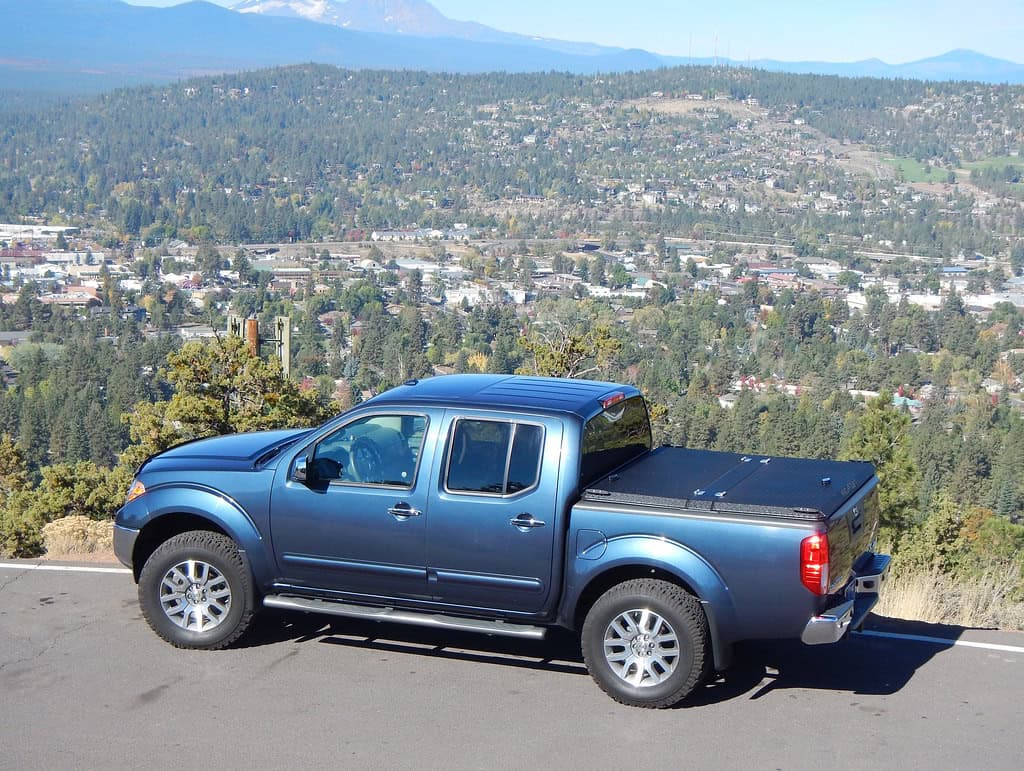
The Frontier has long appealed to drivers who want a straightforward midsize truck without the scale or complexity of a full-size model. Nissan introduced its 3.8-liter V6 and nine-speed automatic for 2020, then wrapped that powertrain in the substantially redesigned 2022 Frontier. The newer truck brought modern safety and infotainment features while retaining physical controls and a conventional body-on-frame layout. PRO-4X models add useful trail equipment, but even lower trims keep the basic proposition easy to understand. The Frontier does not lead America’s sales charts, and it does not need to. Its loyal audience values familiar operation, approachable dimensions, and a naturally aspirated V6 in a segment increasingly dominated by turbocharged engines.
Honda Ridgeline
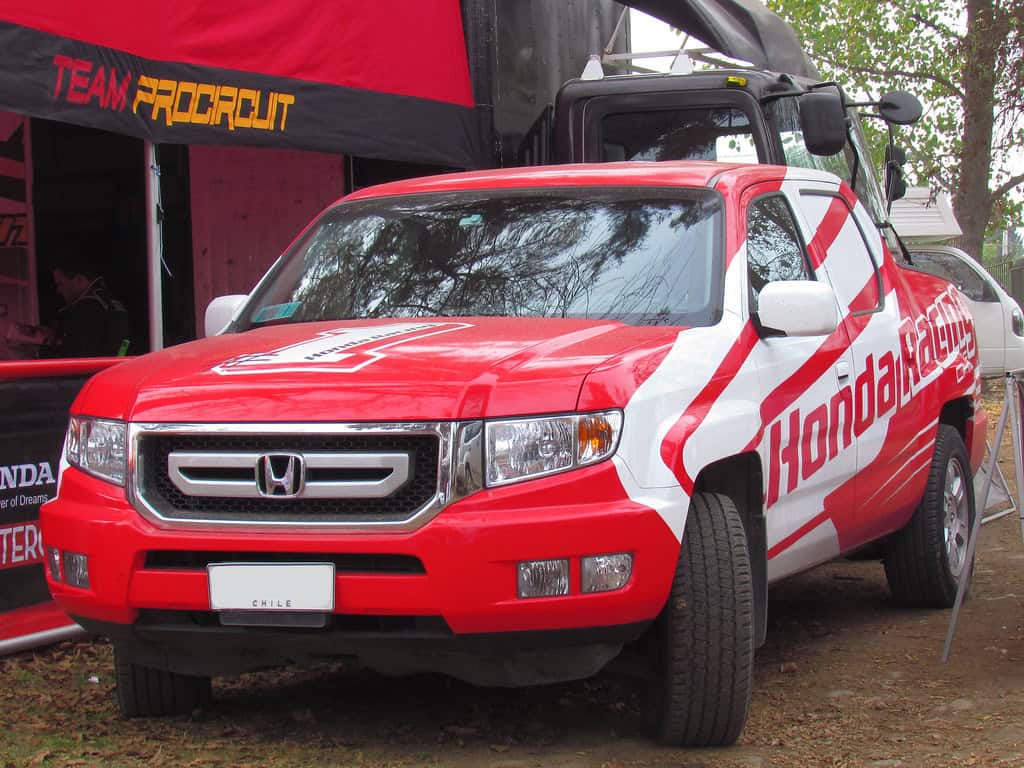
The Ridgeline earns affection precisely because it refuses to imitate every body-on-frame pickup. Its unibody construction, independent suspension, standard all-wheel drive, and spacious cabin give it road manners closer to a crossover, while the open bed preserves genuine truck usefulness. Honda’s dual-action tailgate can swing sideways or fold down, and a lockable trunk beneath the bed adds secure, weather-resistant storage that rivals cannot easily copy. Current models are rated to tow up to 5,000 pounds, so the Ridgeline is not intended to replace a heavy-duty hauler. For buyers who carry home-improvement supplies, bikes, camping gear, or a modest trailer, however, its thoughtful design solves everyday problems with very little drama.
Ford Super Duty
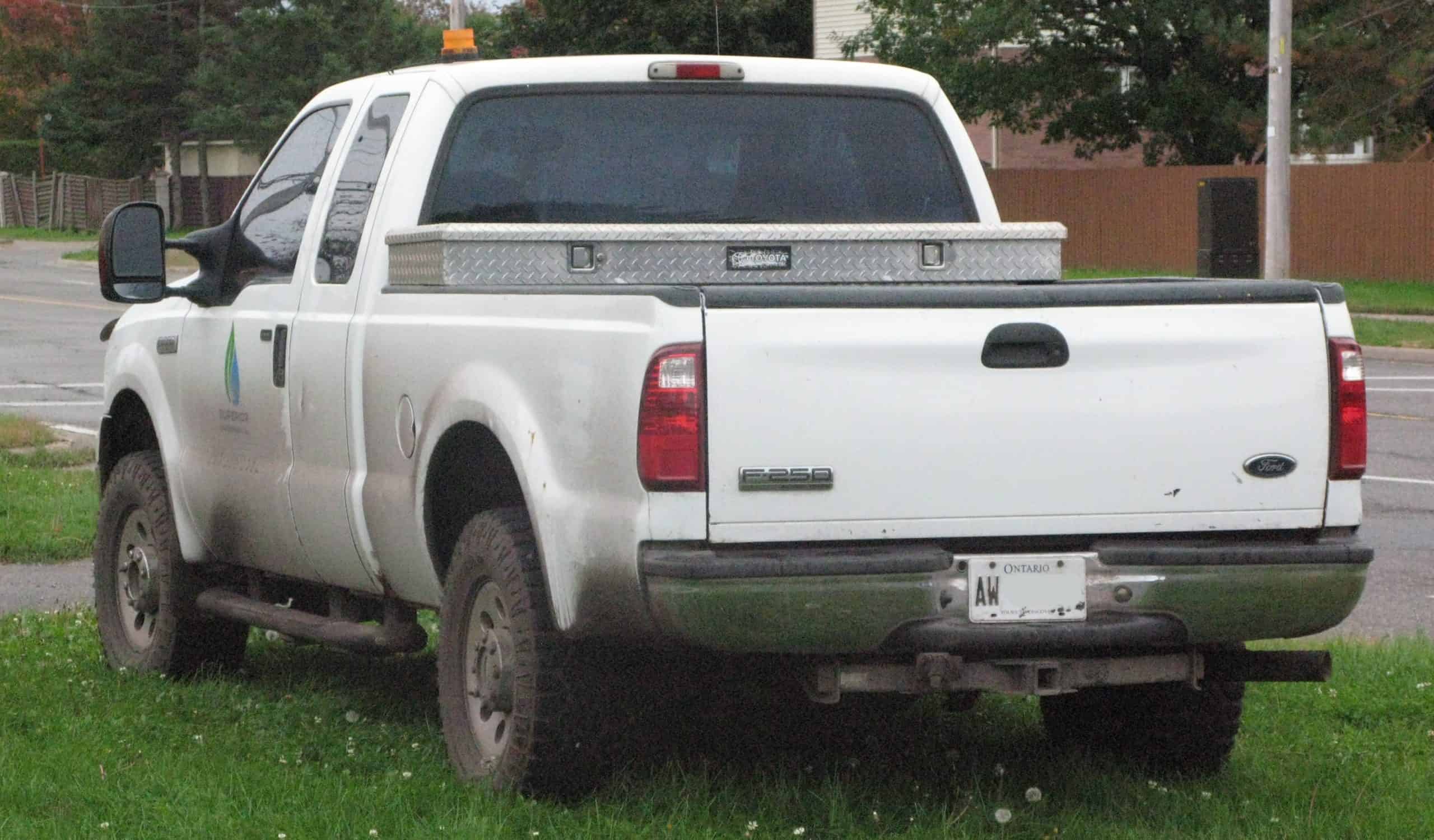
Ford’s Super Duty family covers F-250, F-350, and F-450 pickups built for jobs beyond the comfort zone of a half-ton truck. Their popularity is rooted in commercial fleets, farms, construction crews, and recreational owners who tow large fifth-wheel or gooseneck trailers. The headline figure requires precision: a 2026 F-450 XL Regular Cab 4×2 with dual rear wheels, the high-output 6.7-liter Power Stroke diesel, and the required towing package is rated for up to 40,000 pounds of gooseneck towing. Other configurations are lower, sometimes substantially. Ford also said Super Duty recorded its strongest annual sales since 2004 in 2025, evidence that capability and a vast service network still carry enormous weight.
Jeep Gladiator
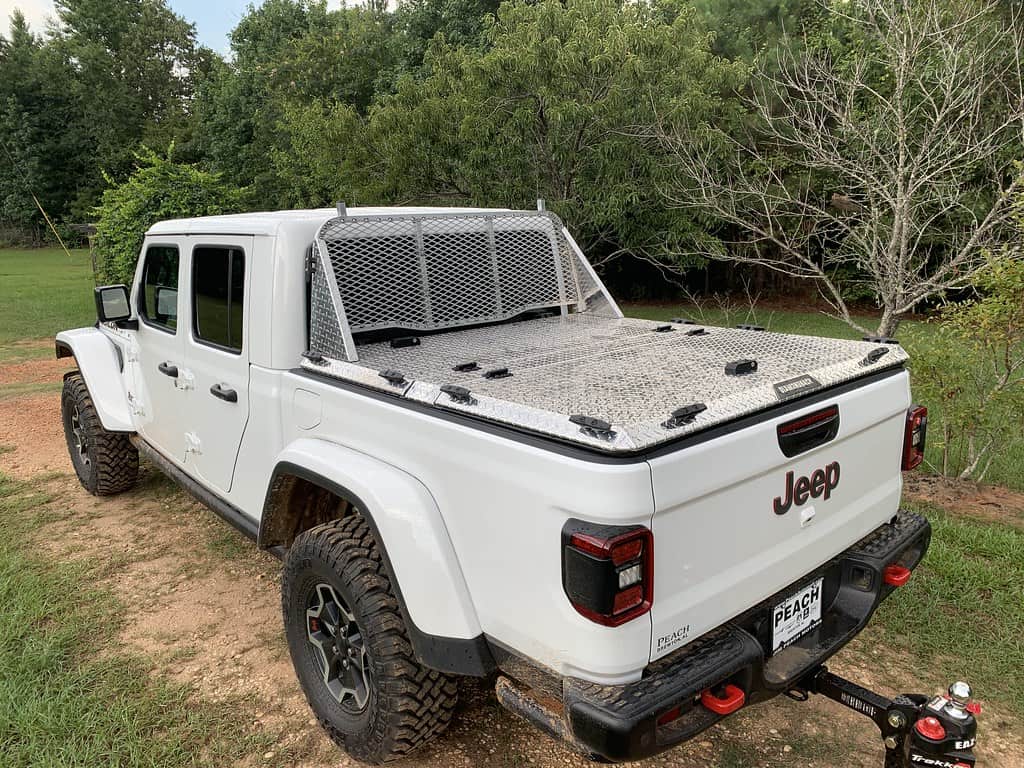
The modern Gladiator arrived for the 2020 model year with a proposition no rival could match exactly: much of the Wrangler experience plus a five-foot cargo bed. Owners can remove the doors, lower the windshield, and choose soft or hard roof configurations, creating an open-air pickup with serious trail credentials. Rubicon and Mojave trims emphasize different kinds of off-road use, while properly equipped versions have been rated to tow as much as 7,700 pounds. Those advantages come with compromises, including a long overall length and road manners shaped by solid axles. Yet the Gladiator’s fans do not buy it because it behaves like a conventional midsize truck. They buy it because few factory vehicles make utility feel this much like an event.
Ford Maverick
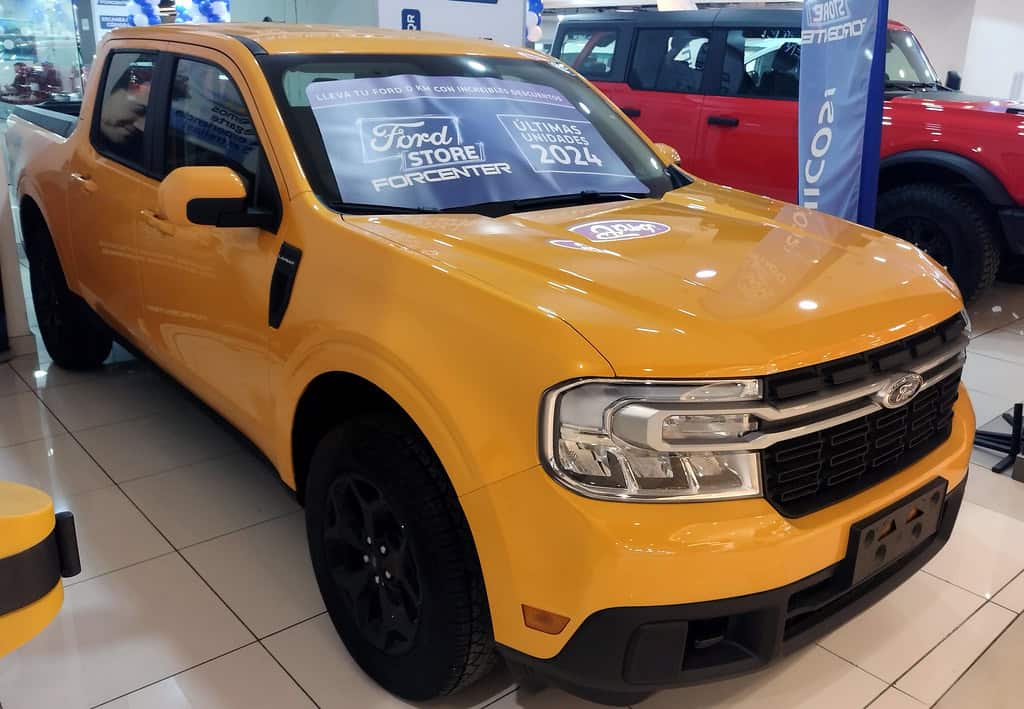
The Maverick proved that many Americans wanted a smaller, less intimidating pickup built around everyday efficiency. Introduced for 2022, Ford’s compact unibody truck pairs a four-door cabin with a short, configurable bed and offers hybrid or turbocharged power. The response has moved beyond launch-year hype. Ford reported a record 155,051 Maverick sales in 2025, including 81,034 hybrids. Hybrid all-wheel drive, added for 2025, widened the truck’s appeal in colder climates, while properly equipped models can tow up to 4,000 pounds. The Maverick cannot replace a full-size work truck, but that is the point. It gives apartment dwellers, commuters, and weekend project owners useful open-bed versatility without the operating footprint they may not need.
Ram Heavy Duty
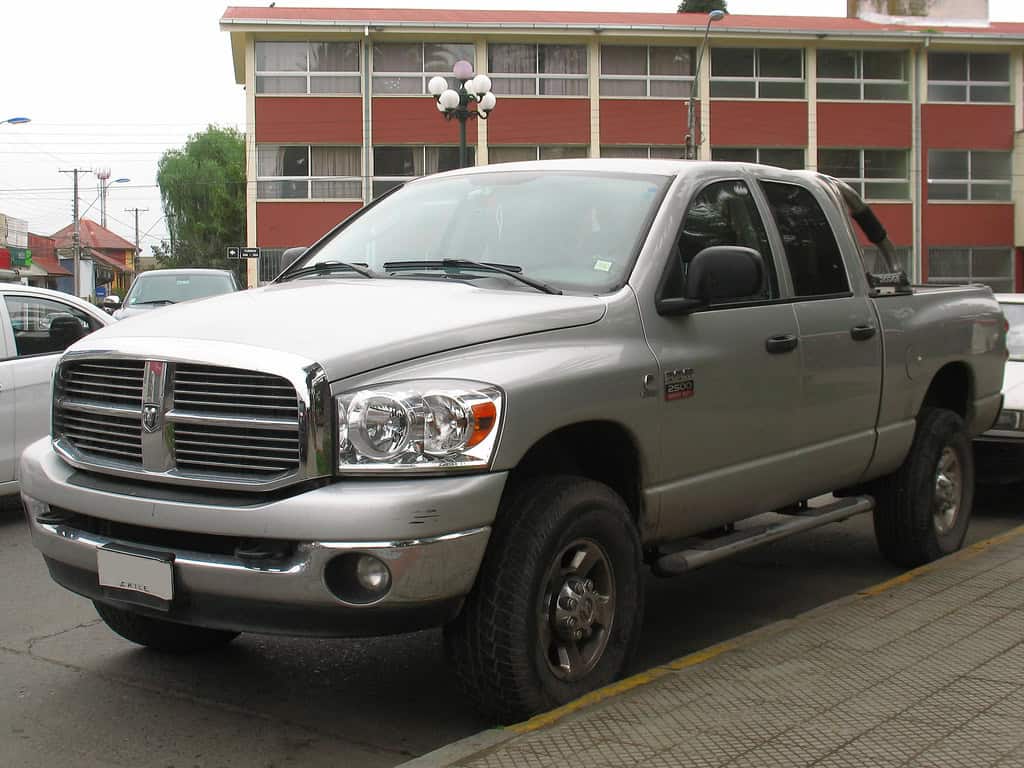
Ram Heavy Duty loyalty often begins with the Cummins name. The available inline-six diesel has decades of recognition among owners who tow for work or recreation, and Ram surrounds it with a cabin that can range from washable work gear to genuine luxury. For 2025, the high-output 6.7-liter Cummins and eight-speed automatic produce 430 horsepower and 1,075 pound-feet of torque. In the correct Ram 3500 configuration, maximum diesel towing is 36,610 pounds. That is formidable, but it is not “second to none,” as the original version claimed; competing trucks can carry higher published maximums in specific setups. Ram’s real advantage is the combination of diesel familiarity, towing technology, available air suspension, and long-distance comfort.
GMC Canyon
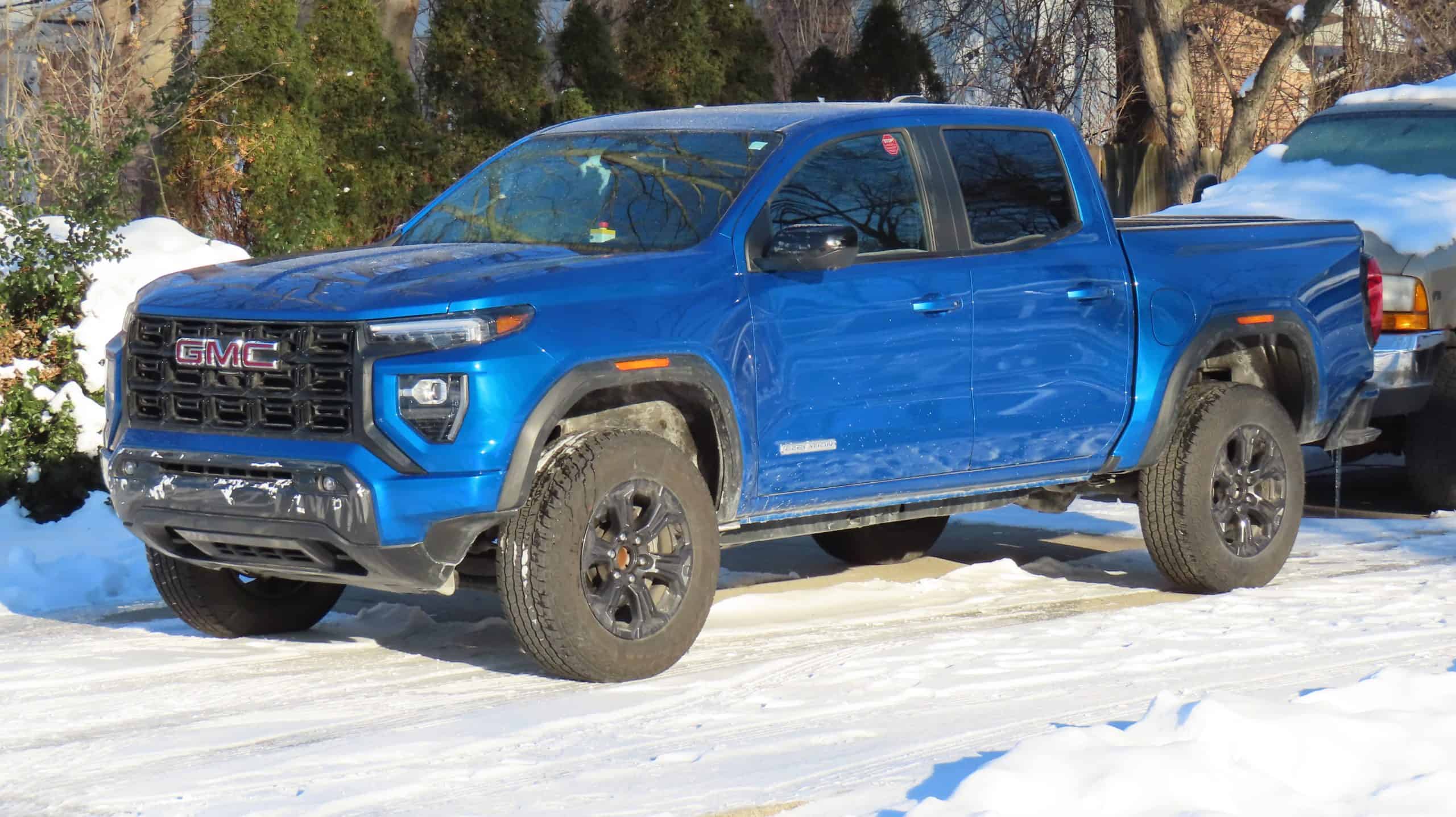
The Canyon is closely related to the Chevrolet Colorado, but GMC positions its midsize pickup as the more premium member of the pair. The current generation arrived for 2023 with a crew cab, short bed, turbocharged four-cylinder power, and a standard feature set that feels deliberately upscale. Elevation, AT4, AT4X, and Denali trims move from everyday use to trail hardware and luxury. For 2026, GMC lists a 7,700-pound maximum tow rating for properly equipped Elevation, AT4, and Denali models; AT4X versions are rated lower because their specialized off-road equipment changes the equation. The Canyon appeals to drivers who want real truck capability and distinctive styling without stepping up to the Sierra’s larger footprint.
How the Trucks Were Selected
This is an editorial selection, not the result of one national owner poll, so the order should not be read as a statistical ranking. We considered sustained U.S. sales, repeat-buyer enthusiasm, longevity in the market, resale reputation, usefulness, and the strength of each truck’s owner community. Specifications and model histories were checked against manufacturer materials, while fuel-economy and safety questions can be verified through the EPA and NHTSA. Owner-oriented resources such as Edmunds, Kelley Blue Book, and Consumer Reports provide additional context. “Loved” reflects an overall pattern of loyalty, not a claim that every model year or individual truck is equally reliable.
