
An SUV’s sticker price reveals only part of what it may ultimately cost. Depreciation, fuel use, insurance, maintenance and unresolved recall work can turn an appealing vehicle into a disappointing value. The models below raise concerns for different reasons: some shed a large share of their value, while others have documented safety campaigns or unusually complex systems that deserve closer inspection. None should be condemned solely by its badge, and recalls do not affect every model year or vehicle. Before buying, compare ownership estimates, review service records and run the exact VIN through the federal recall database.
Land Rover Discovery Sport

The Discovery Sport’s biggest measurable weakness is depreciation, although the original claim that it loses 48% in its first year does not hold up. Current estimates vary by methodology. iSeeCars calculates a 53.6% loss after five years, compared with 48.8% for the luxury compact SUV segment, while CarEdge projects a 59% decline over the same period. That gap matters because premium-brand labor, parts and insurance do not become inexpensive just because the vehicle’s resale price falls. The Discovery Sport remains stylish, practical and capable in poor weather, but a new buyer accepts substantial value risk. A carefully inspected two- or three-year-old example may offer a far better financial proposition than one purchased at full price.
Infiniti QX80
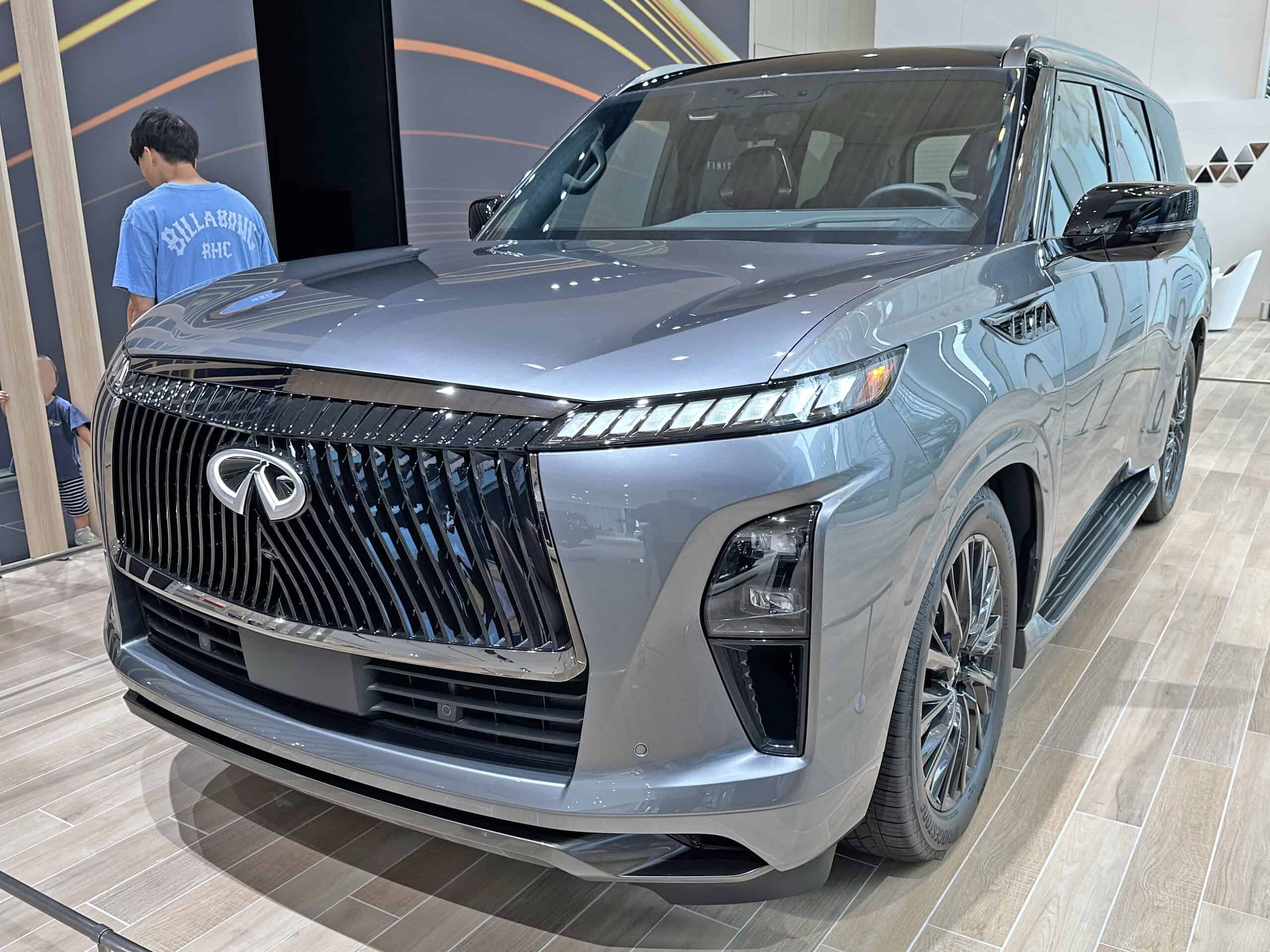
The QX80 is not a recent addition to Infiniti’s lineup. The name arrived for 2014 when the QX56 was renamed, and an extensively redesigned generation debuted for 2025. Its greatest value concern is the amount of money exposed to depreciation. CarEdge currently projects a 69% five-year decline, using a $99,476 starting price, average condition and 13,500 miles per year. Its modeled resale value is $30,857, although real results will vary by trim, discounts, mileage and market conditions. The QX80 offers genuine space, towing ability and luxury, so this is not a blanket reliability warning. It is a reminder that a high transaction price magnifies every percentage point of depreciation. Buying after the first steep drop may be the smarter route.
Cadillac Escalade ESV
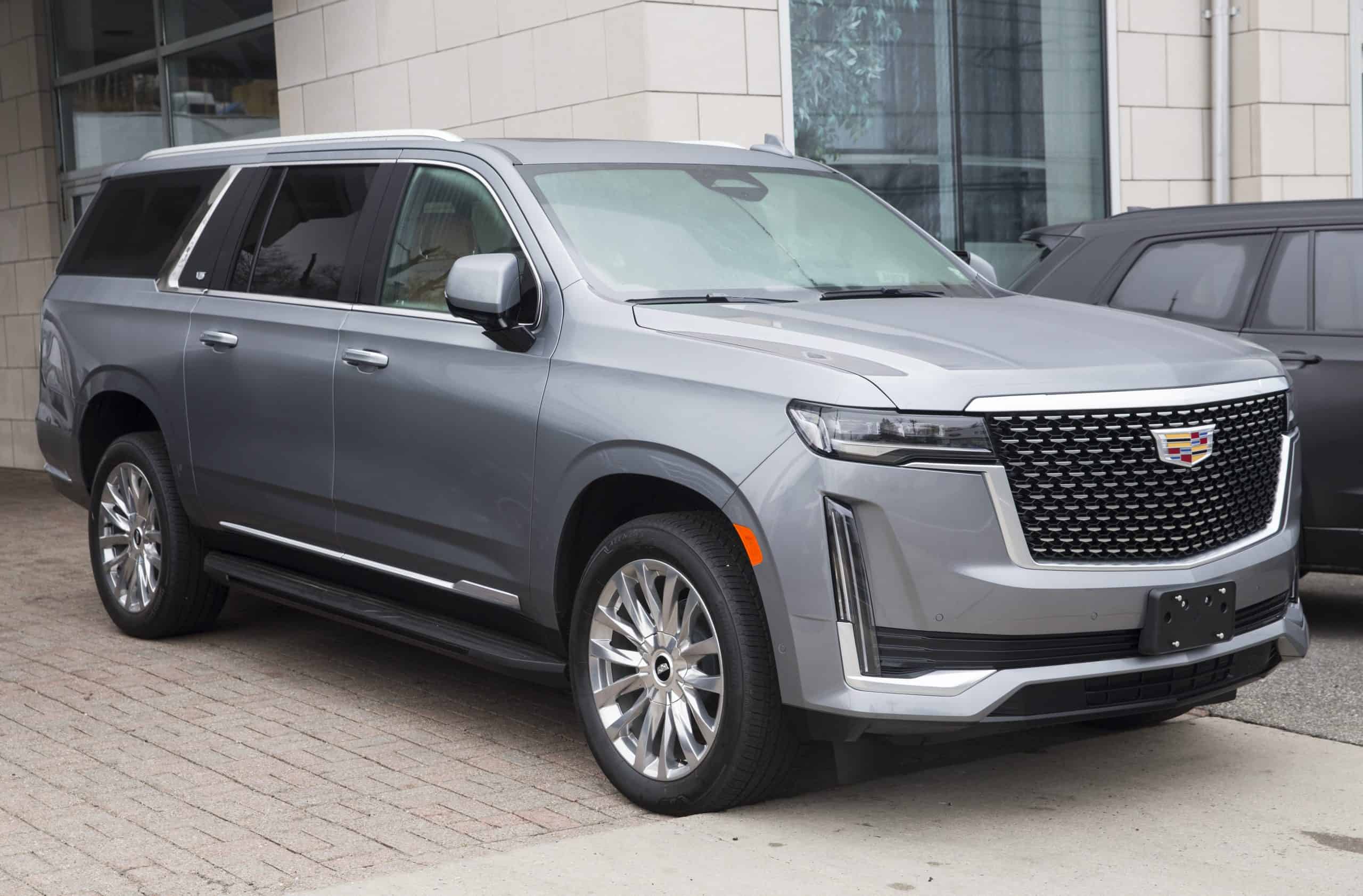
The Escalade ESV delivers enormous passenger and cargo space, but its scale creates equally large ownership costs. CarEdge projects 64% depreciation after five years, based on a $128,504 starting value and 13,500 miles annually. Its estimated five-year resale value is $46,814. Fuel is another consideration: federal ratings for the 2025 gasoline Escalade are 17 mpg combined with rear-wheel drive and 16 mpg with four-wheel drive, while the high-performance Escalade-V is rated at 13 mpg combined. Premium fuel, large tires, insurance and maintenance can further increase the total. Buyers who genuinely need the ESV’s size may find it compelling, but shoppers focused on value should compare lightly used examples before absorbing the initial depreciation themselves.
Jeep Grand Cherokee 4xe
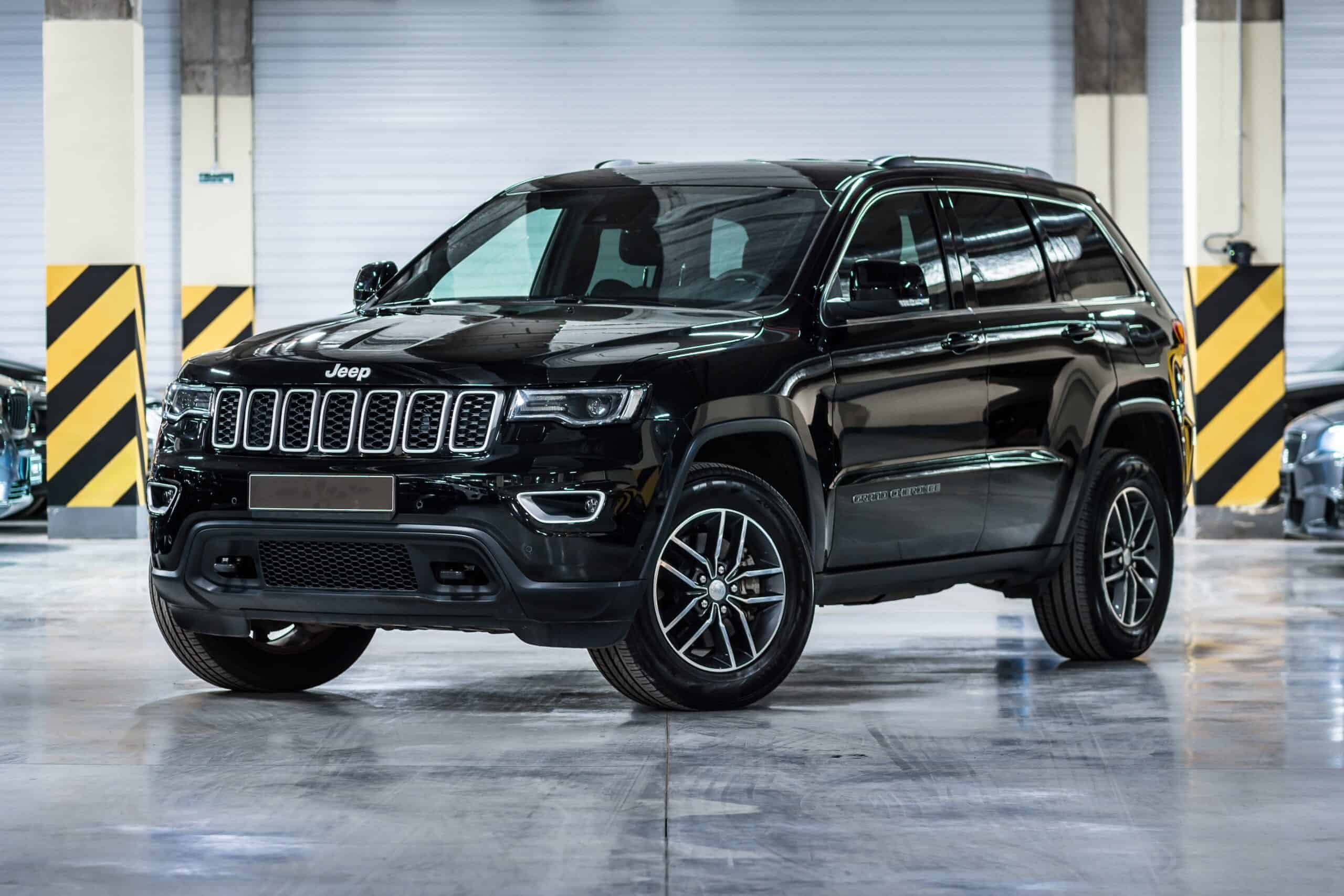
The Grand Cherokee 4xe combines electric commuting with traditional Jeep capability, but its recall history makes a VIN check essential. A 2025 federal campaign covered 91,787 Grand Cherokee plug-in hybrids from model years 2022 through 2026 because a control-module reset could cause propulsion loss without warning. A separate late-2025 battery campaign included roughly 91,800 Grand Cherokee 4xe models over the same years because an internal battery failure could create a fire risk. Recall instructions and repair availability can change, so buyers should verify the current status directly with NHTSA and Jeep. These campaigns do not prove every 4xe is unreliable, but an unrepaired vehicle should not be treated like an ordinary used-SUV purchase.
Dodge Hornet
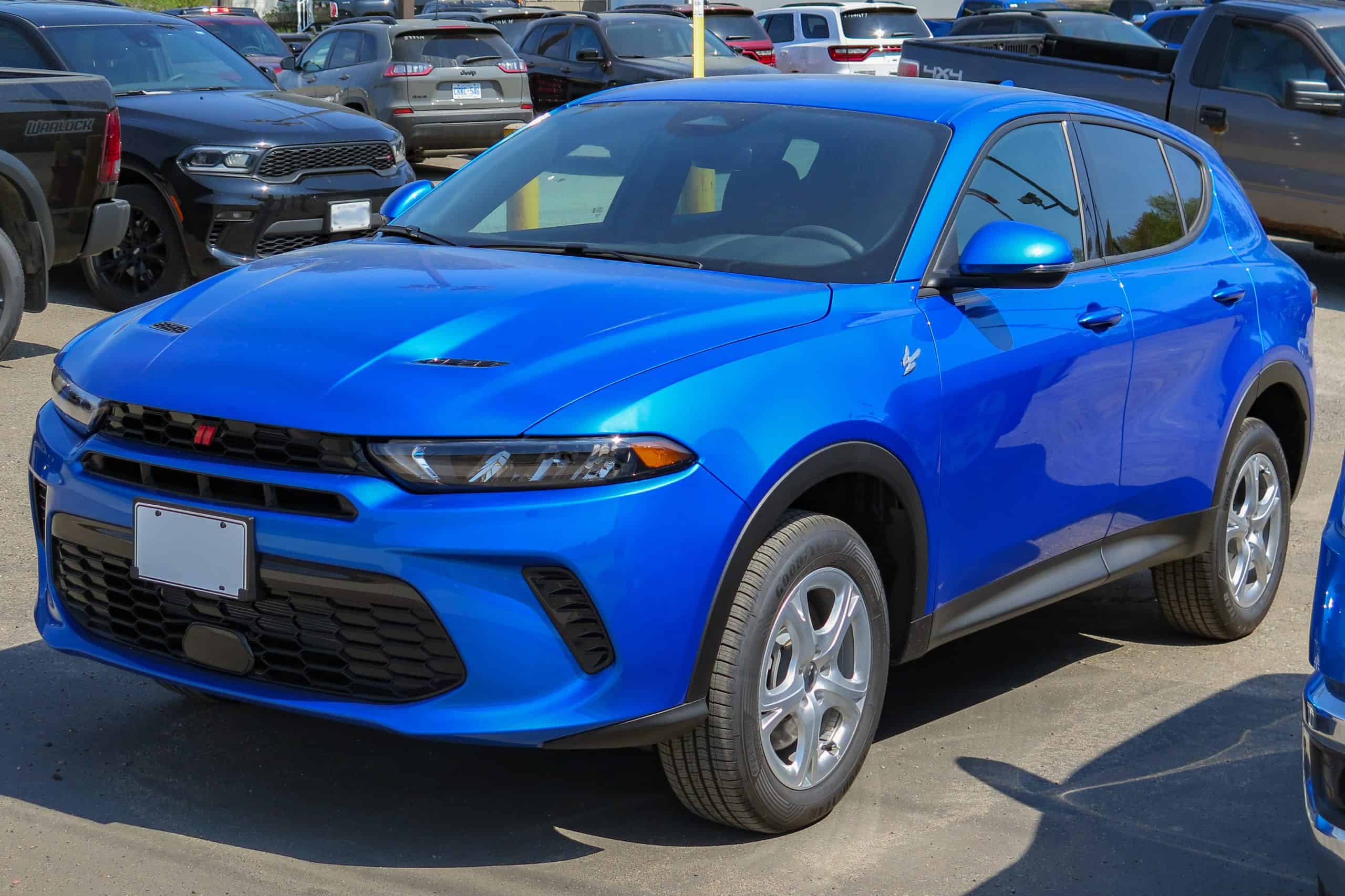
The Hornet is closely related to the Alfa Romeo Tonale, sharing its basic Stellantis platform and Italian assembly plant, but calling it merely a rebadge oversimplifies the differences in powertrains and tuning. The financial concern is clearer. CarEdge projects a 62% five-year value loss, using a $38,871 starting price and estimating a $14,841 resale value. Safety history also deserves attention. NHTSA recall 24V-752 covered 17,047 Hornets from the 2024 and 2025 model years because the brake pedal assembly could collapse during braking. Dealers were instructed to reinforce the pedal arm with a bolt and nut. A discounted used Hornet could still be attractive, but buyers should confirm recall completion and compare its price with better-established rivals.
Volkswagen Atlas and Atlas Cross Sport
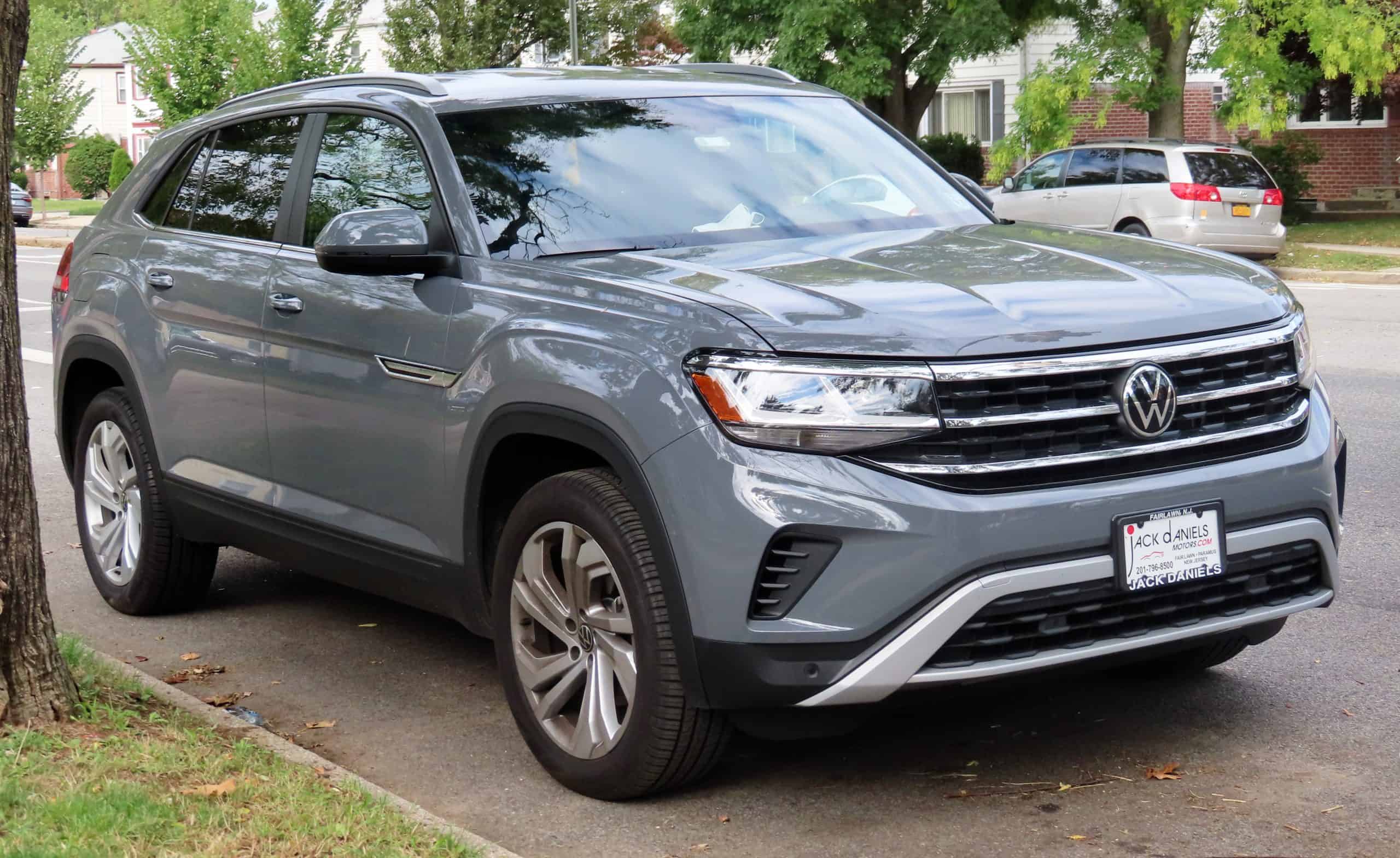
The Atlas offers generous space, and cost data does not justify calling every version unreliable. CarEdge estimates 51% depreciation after five years, but its maintenance model places the Atlas close to the broader SUV average. The more specific concern involves recalled vehicles. NHTSA campaign 24V-464 covered 271,330 Atlas models from 2021 through 2024 and Atlas Cross Sports from 2020 through 2024. Faulty wiring in the passenger occupant detection system could deactivate the front passenger air bag even when the seat was occupied. Volkswagen’s remedy was replacement of the sensor mat and wiring harness. Used shoppers should check the VIN, confirm that repair and review the service history instead of assuming every inexpensive Atlas carries the same risk.
Mercedes-Benz GLE
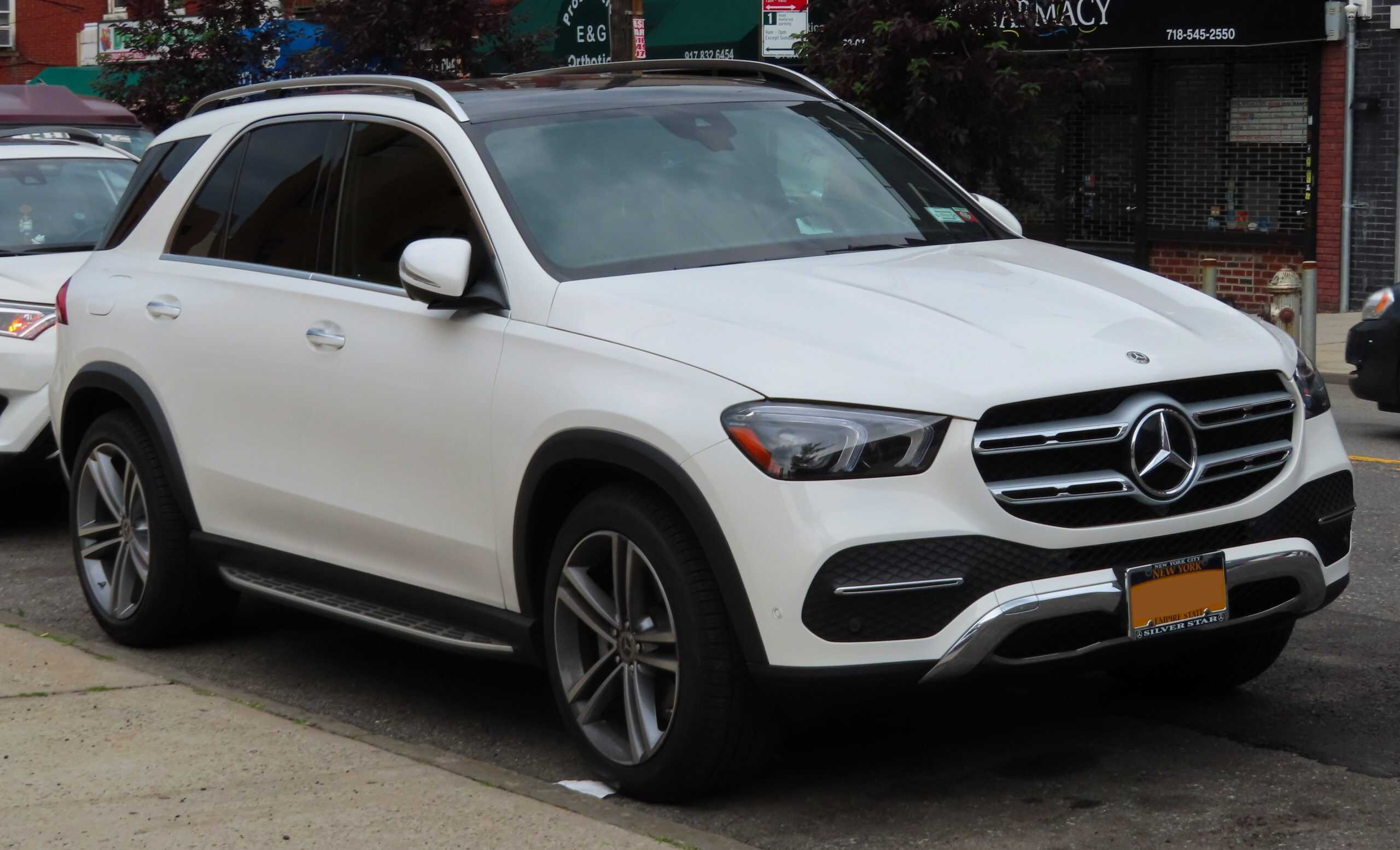
The GLE delivers the refinement expected of a Mercedes-Benz, but depreciation and technical complexity can make a used example look cheaper than it truly is. CarEdge projects five-year declines of 48% for the GLE 350 and 51% for the GLE 450 under its standard mileage assumptions. GLE variants were also included in a 2024 recall spanning 116,020 Mercedes GLE and GLS vehicles. A 48-volt ground connection beneath the passenger seat could loosen, build electrical resistance and create a fire risk. Dealers were instructed to inspect and correct the connection. The recall did not cover every GLE, but it illustrates why trim, model year and VIN matter. A complete service history and pre-purchase inspection are especially important after the factory warranty expires.
Tesla Model X
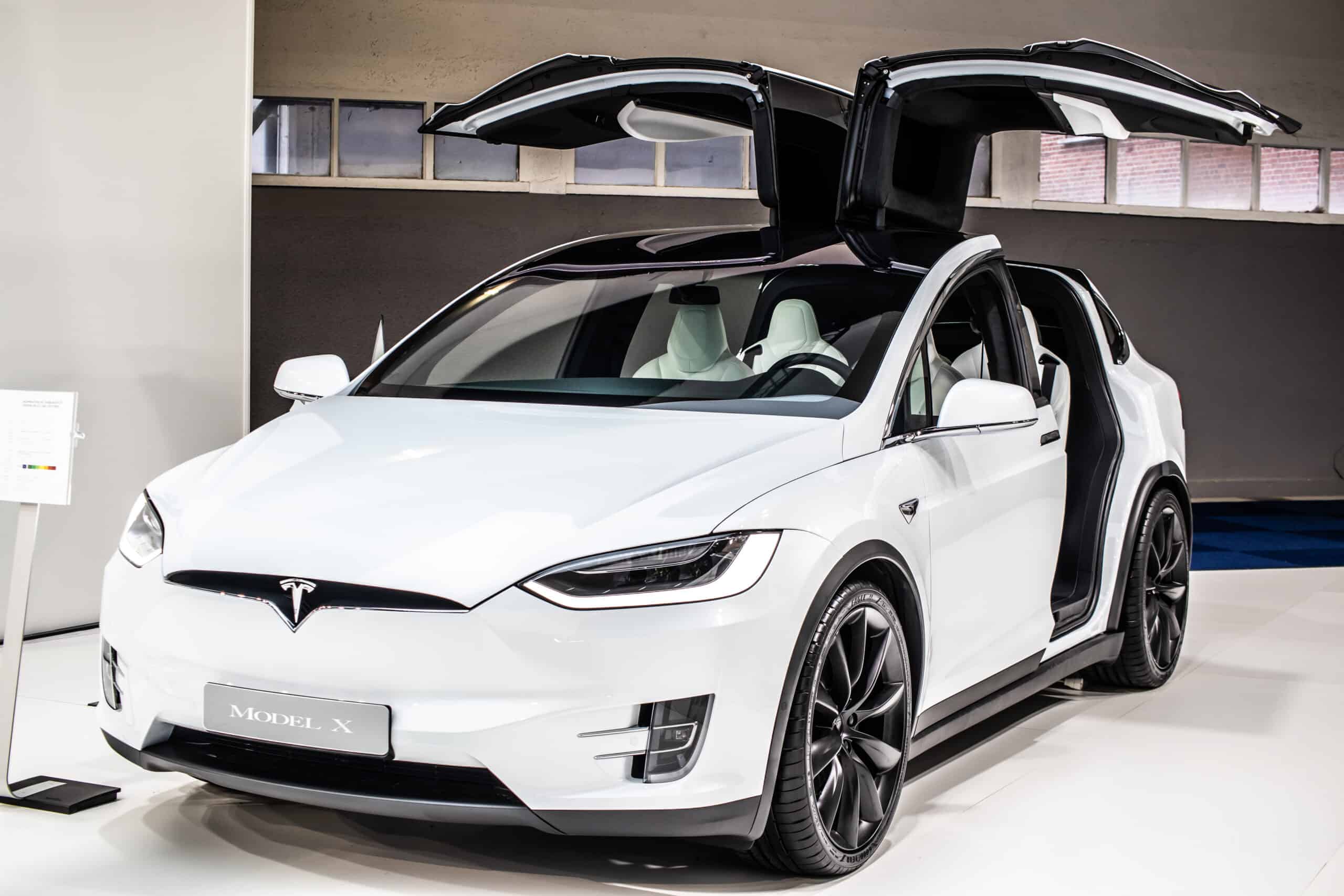
The Model X’s performance and doors still attract attention, but its resale trajectory can be punishing for a new owner. CarEdge currently projects 67% depreciation after five years, assuming a $95,755 starting value, good condition and 13,500 miles per year. That produces a modeled resale value of $31,254. Tesla price changes, shifting EV demand and rapid technology updates can all affect used values, so no estimate is guaranteed. A heavily depreciated Model X may actually tempt a secondhand buyer, but the purchase requires more than comparing range and acceleration. Battery warranty coverage, tire wear, insurance cost, charging habits, accident history and operation of the falcon-wing doors should all be checked before treating a low asking price as a bargain.
Mazda CX-70 PHEV
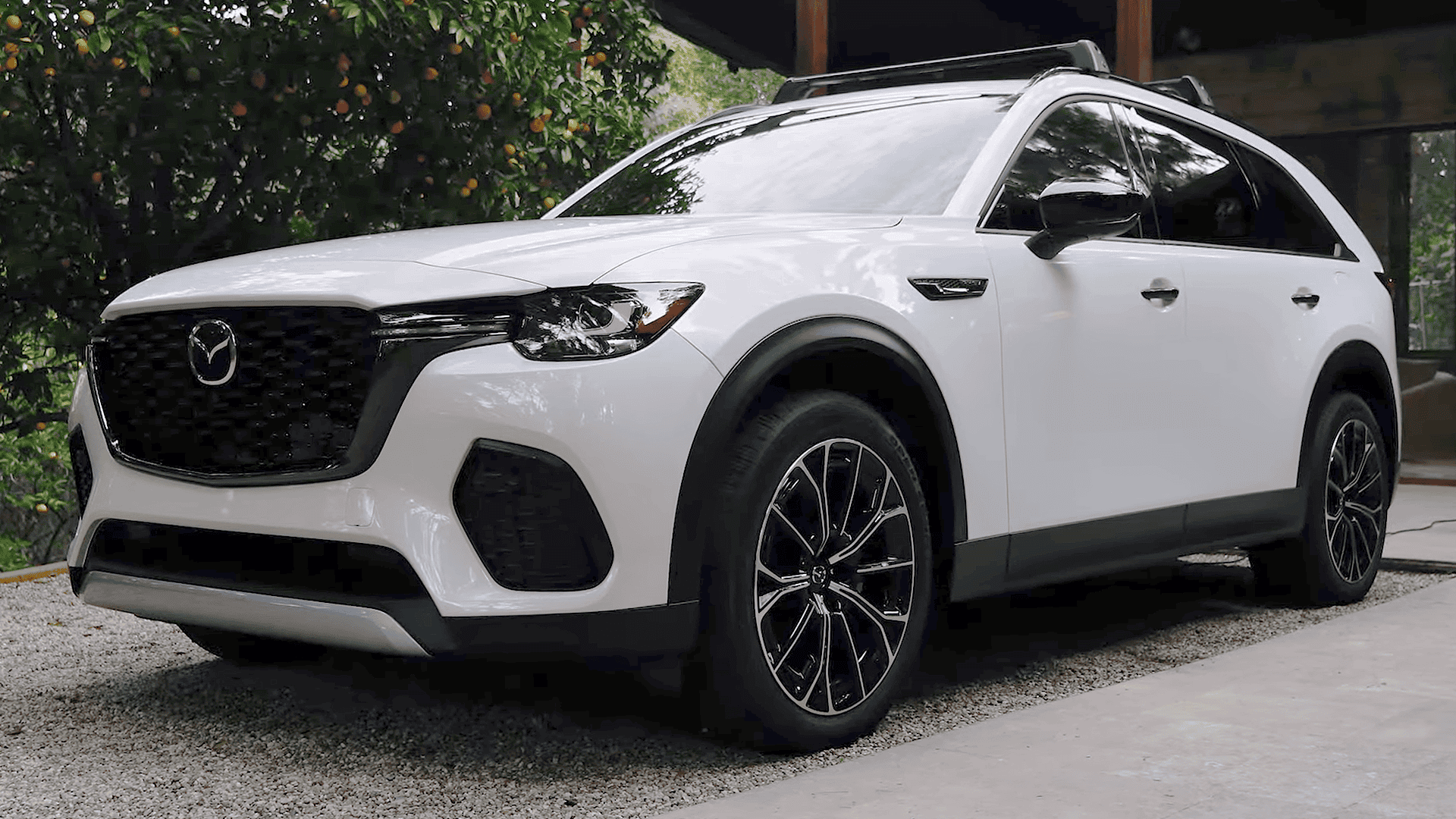
The CX-70 PHEV is too new for confident long-term depreciation or reliability conclusions, but its first model year brought several recalls. Federal campaigns covering certain 2025 CX-70s identified software errors that could limit drive power, prevent the gasoline engine from restarting at idle or reduce motor power in electric mode. Mazda reprogrammed the control modules. A separate 2025 emissions campaign addressed software that could falsely detect electrical leakage and prevent the vehicle from restarting after it was switched off. These are defined repair campaigns, not proof that every CX-70 is defective. Buyers should confirm that all updates have been completed and judge the SUV on its post-repair record rather than early owner reports alone.
Lincoln Corsair
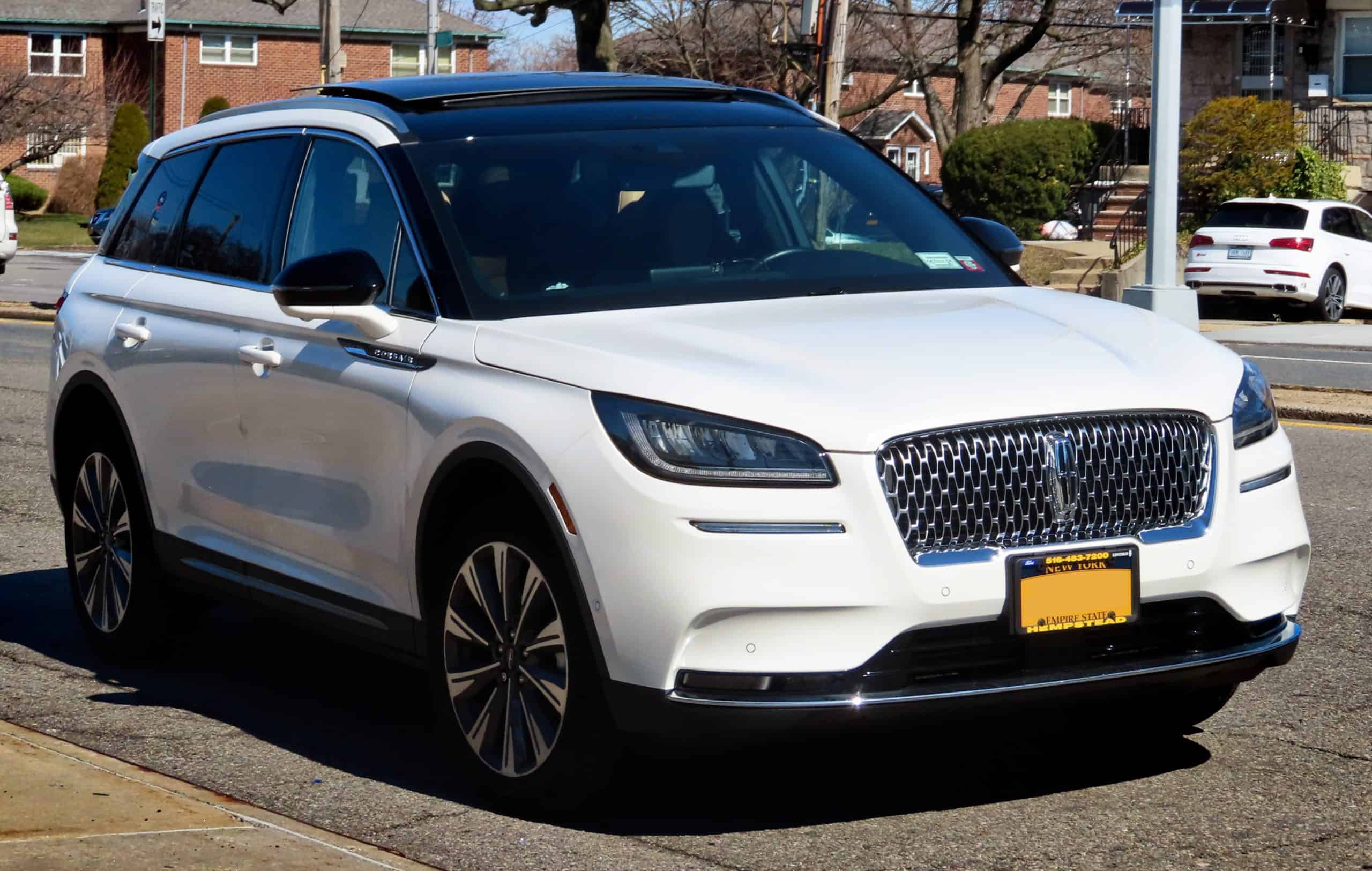
Available cost data does not support labeling every Corsair problem-ridden. CarEdge projects 46% depreciation after five years and estimates that maintenance and repairs over the first decade cost less than the luxury-SUV average. The plug-in hybrid requires a separate warning, however. A 2025 federal recall covered certain 2021 through 2024 Corsair PHEVs because a defective high-voltage battery cell could short circuit, causing propulsion loss and increasing fire risk. The campaign did not apply to every gasoline Corsair, and recall remedies can evolve. Shoppers should distinguish between powertrains, check the VIN and confirm completion of every campaign. A well-maintained gasoline model should not be rejected solely because a recalled PHEV shares its name.
How the Vehicles Were Evaluated
Depreciation figures came primarily from CarEdge and were checked against iSeeCars where comparable model data was available. These are estimates based on assumptions about condition, mileage, purchase price and future market behavior, not guaranteed losses for a specific vehicle. Safety campaigns were verified through the National Highway Traffic Safety Administration, while fuel-economy ratings came from the federal FuelEconomy.gov database. Recall totals describe potentially affected populations, not the number of vehicles proven defective. Buyers should check the precise VIN because production dates, powertrains and completed repairs determine whether an individual SUV is affected.
