© Scott Legato / WireImage via Getty Images
Pickup trucks are expected to tow, haul, commute, and survive years of hard use, but a familiar badge does not guarantee a trouble-free ownership experience. The models below have drawn concern through low predicted-reliability scores, federal safety recalls, manufacturer service bulletins, or recurring owner-reported problems. Not every truck or model year is affected, and several newer versions may be improved. Still, buyers should look beyond horsepower and towing capacity. A serious engine recall, repeated software fault, electrical drain, or transmission problem can turn an expensive truck into an even more expensive repair project.
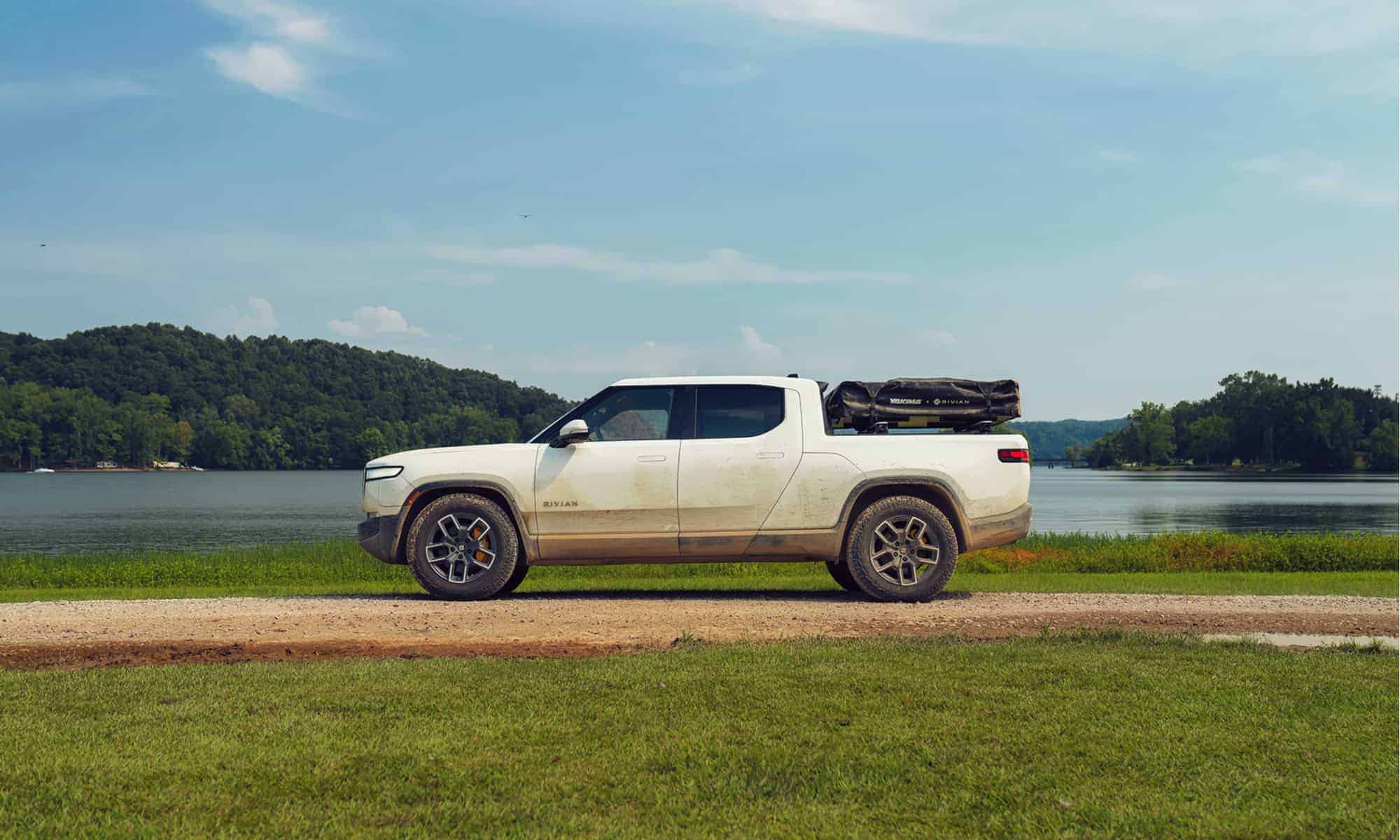
Rivian R1T: Impressive Performance, Troubling Reliability
©Jarlat Maletych/Shutterstock.com
The R1T remains one of the quickest and most innovative pickups on sale, but its reliability record has not matched its performance. Consumer Reports data compiled for the 2025 model year placed it near the bottom of the truck field, with owners reporting trouble involving climate controls, electronics, body hardware, and other systems. Rivian also recalled certain 2025 R1T and R1S vehicles because Hands-Free Highway Assist software could misidentify a vehicle ahead. Most of that recall was corrected through an over-the-air update, but used buyers should confirm the truck has current software and no open campaigns.
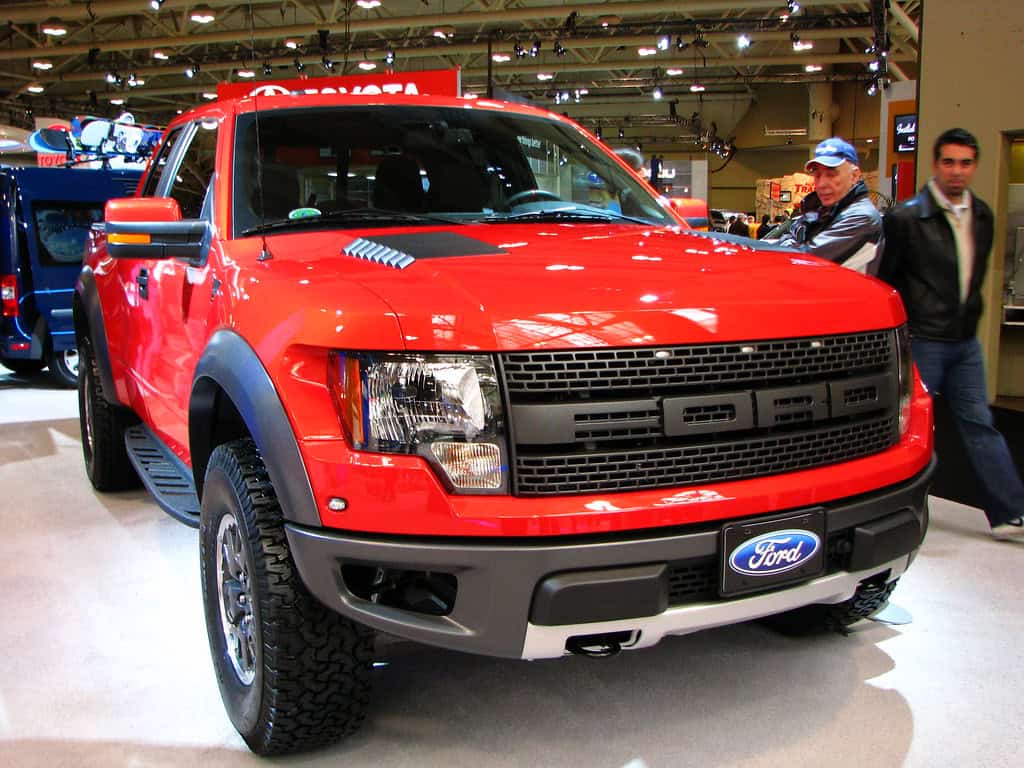
Ford F-150 Hybrid: Added Complexity Brings Added Risk
©"Ford F-150 SVT Raptor" by MSVG is licensed under BY 2.0. – Original / License
The PowerBoost F-150 promises strong towing ability with useful hybrid efficiency, yet it has also posted one of the weakest predicted-reliability scores in its class. The complicated powertrain combines a twin-turbo V6, electric motor, high-voltage battery, 10-speed transmission, and extensive software controls, creating more systems that can generate warnings or require diagnosis. Ford recalled certain 2025 hybrids for a missing startup seatbelt chime, and a much smaller group received an incorrect high-voltage fuse that could cause sudden loss of propulsion. Buyers should verify recall completion and test every electrical feature.
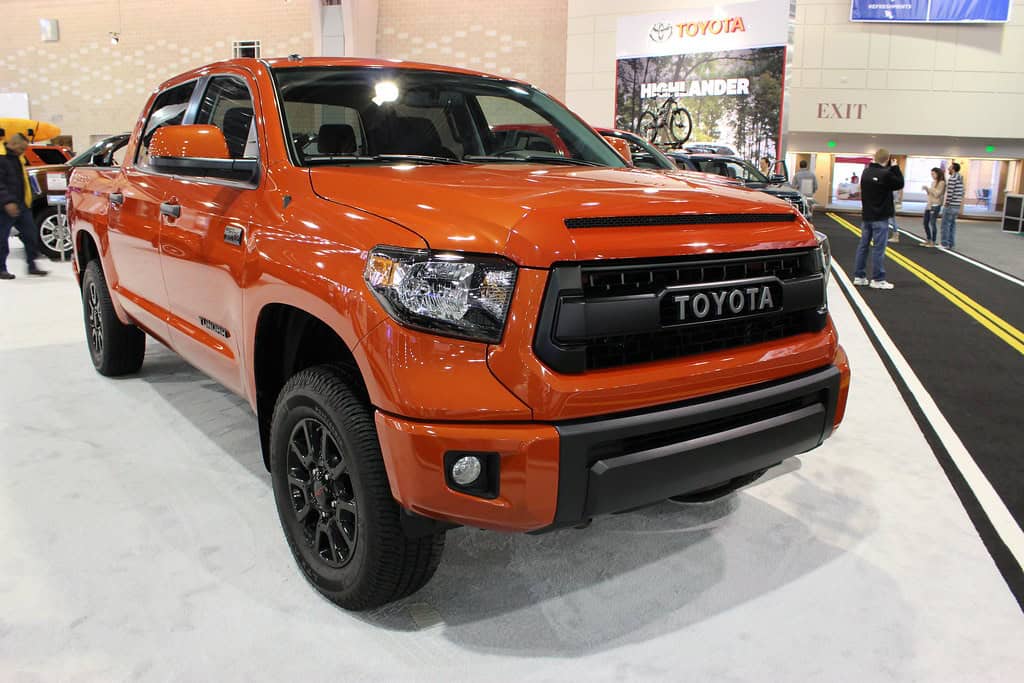
Toyota Tundra: A Serious Blow to Toyota’s Reputation
©"Toyota Tundra TRD Pro" by Jacob Frey 4A is licensed under BY 2.0. – Original / License
Toyota’s full-size truck once seemed almost automatically dependable, but the current-generation Tundra has damaged that reputation. Federal recalls covering 2022 through 2024 trucks with the V35A twin-turbo V6 found that machining debris could remain inside some engines, damage the main bearings, and cause knocking, failure to start, or a loss of drive power. Toyota expanded the campaign again in May 2026 to include another 43,566 model-year 2024 trucks, with the remedy still being developed at the time of filing. Anyone considering a used Tundra should check the VIN, engine history, and recall status before purchase.
Ford Maverick: Early Hybrids Need Careful Screening
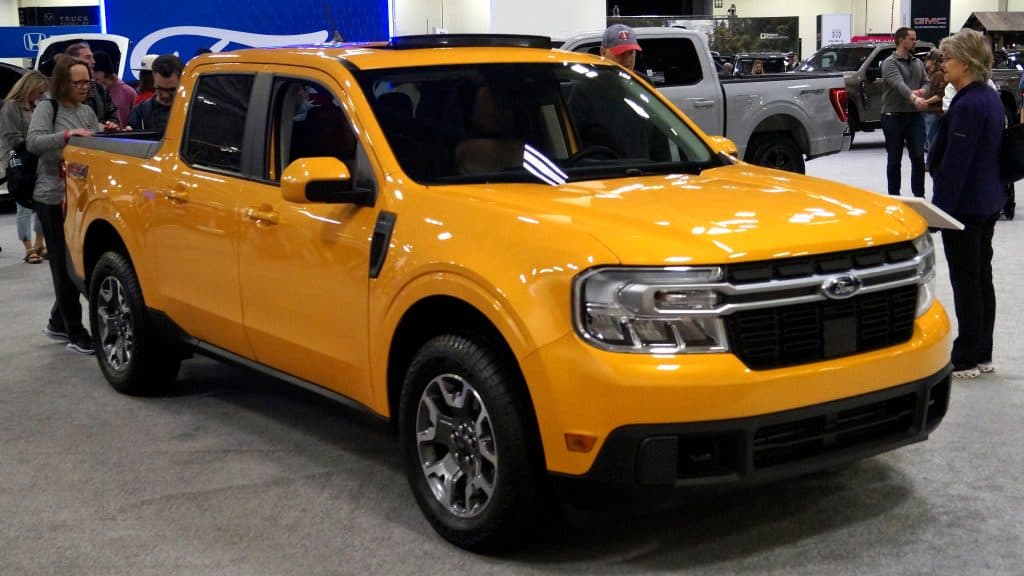
©"2022 Ford Maverick Lariat Pick-Up (52805918565)" by Greg Gjerdingen from Willmar, USA is licensed under BY 2.0. – Original / License
The Maverick is affordable, efficient, and much easier to park than a full-size pickup, but the earliest model years accumulated a long recall list. Certain 2022 through 2024 hybrids were recalled because powertrain software could force the vehicle into neutral and cause a loss of motive power. Ford also recalled more than 144,000 Mavericks because the rearview-camera image could freeze while the truck was in reverse. Current predicted-reliability data is more encouraging than it was at launch, so the Maverick is not an automatic reject. Used buyers should simply be cautious with early hybrids and confirm that every software campaign was completed.
Jeep Gladiator: Steering and Clutch Concerns
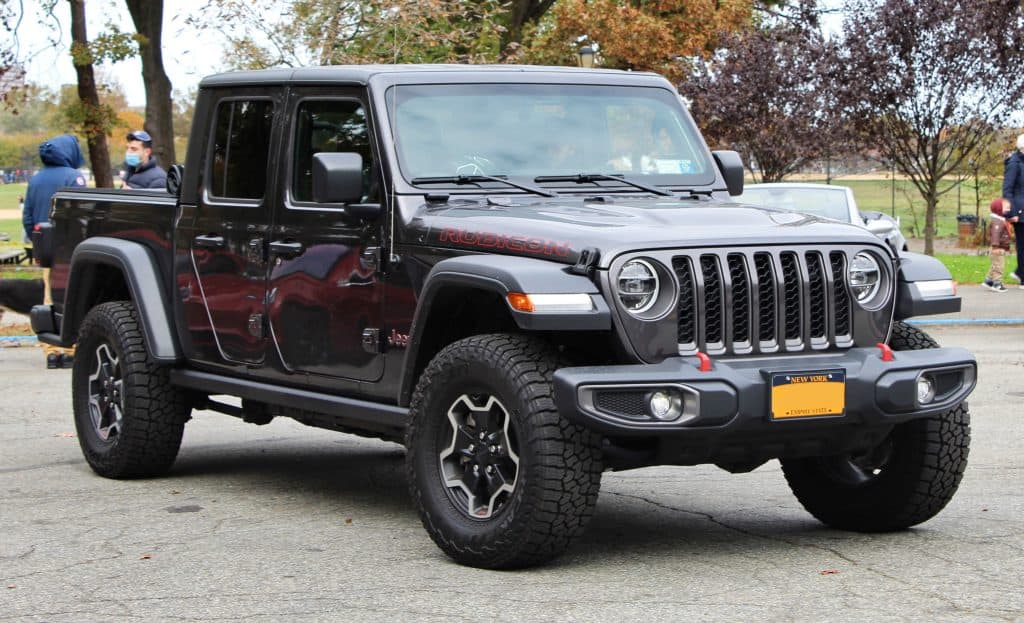
©"2020 Jeep Gladiator Rubicon, front 10.25.20" by Kevauto is licensed under BY-SA 4.0. – Original / License
The Gladiator combines a removable-roof Jeep with a midsize pickup bed, but that unusual formula carries several known trouble spots. Early trucks were covered by a service bulletin for wandering, pulling, and excessive steering play that could require a replacement steering gear. Manual-transmission Gladiators were also included in a recall of roughly 69,200 Jeep vehicles because the clutch pressure plate could overheat, fracture, and expel hot debris that might start a fire. Later examples may be improved, and automatic models avoid the clutch issue, but a used Gladiator deserves a careful road test, recall check, and steering inspection.
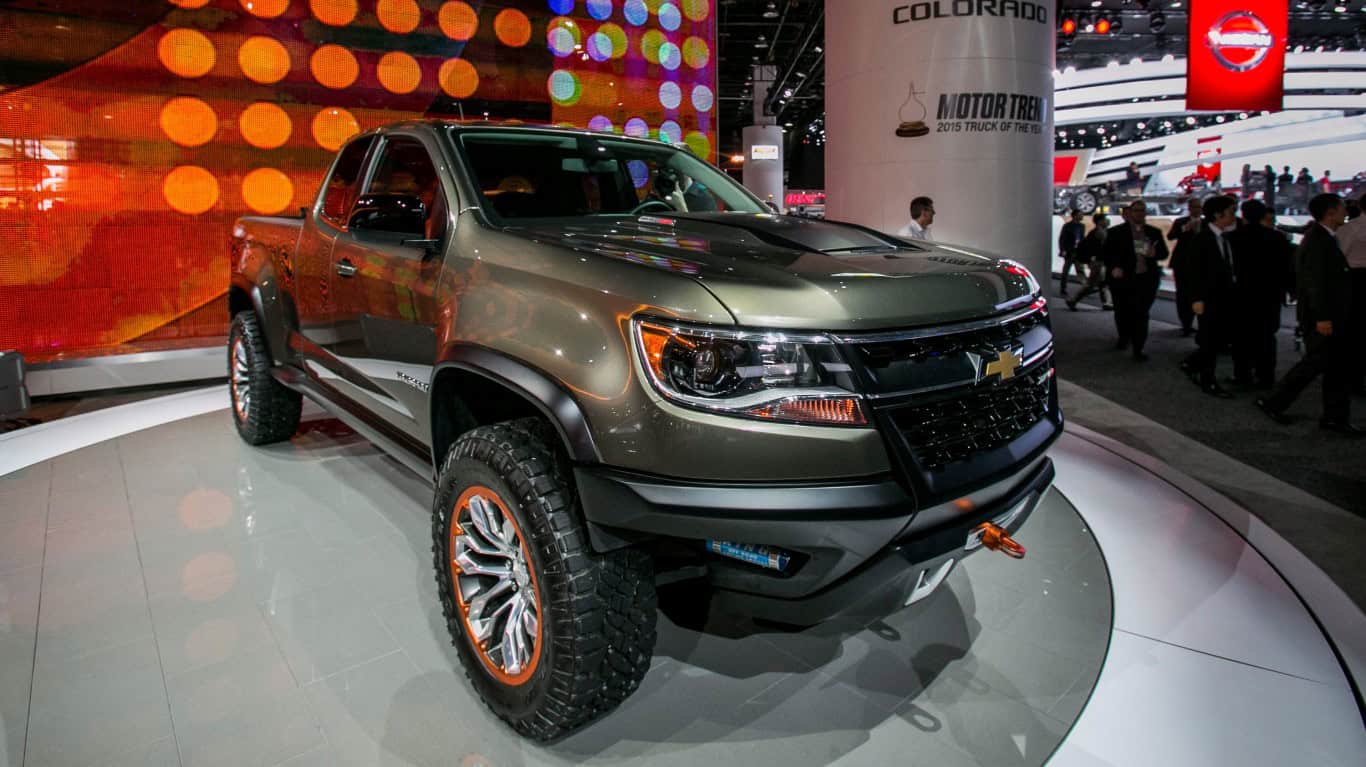
Chevrolet Colorado: Software and Electrical Problems
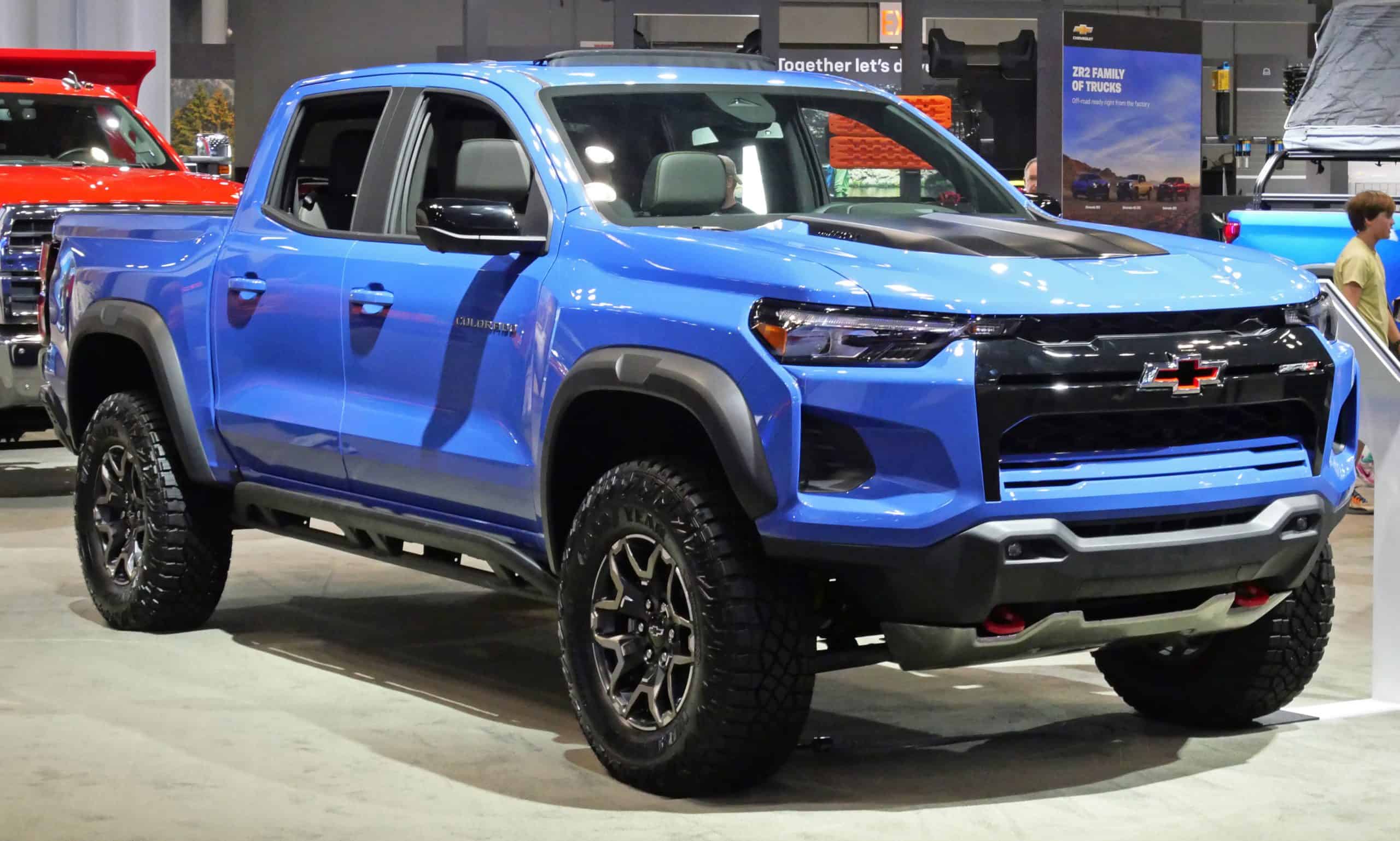
©"2025 Chevrolet Colorado ZR2, front NYIAS 2025" by Kevauto is licensed under BY-SA 4.0. – Original / License
The redesigned Colorado is more comfortable and capable than the truck it replaced, but its launch years produced enough problems to warrant caution. Consumer Reports data placed the 2025 model near the bottom of the pickup field for predicted reliability. GM also issued recalls for 2023 trucks that could brake unexpectedly because of faulty front-camera software, 2023 models with potentially damaged wheel-hub bolts, and some 2024 trucks with an improperly secured fuel-pump lock ring. Separate service bulletins addressed discharged 12-volt batteries and loose transmission-connector terminals. Buyers should favor complete service records and updated software.
Chevrolet Silverado 1500: The 6.2-Liter V8 Warning
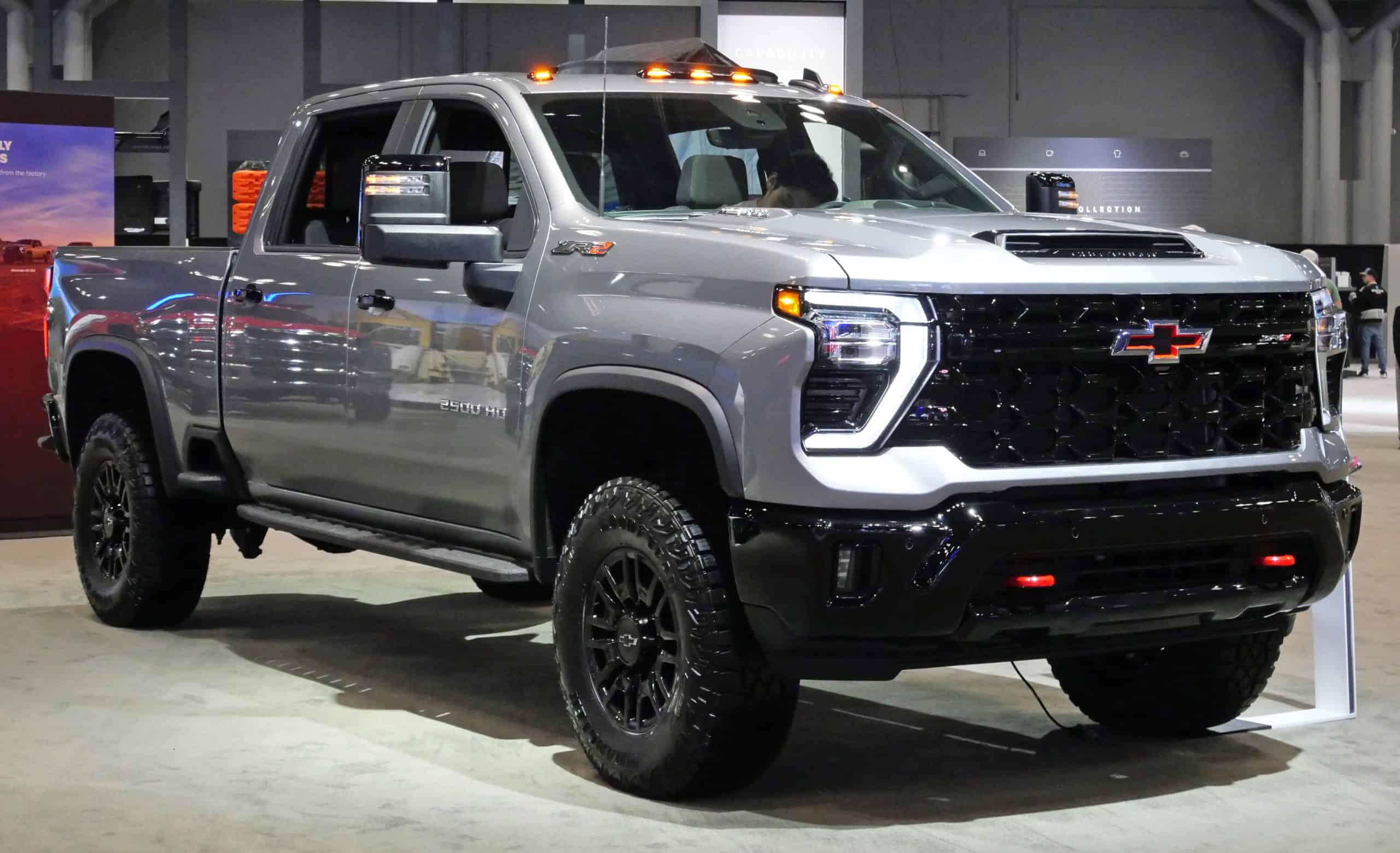
©"2025 Chevrolet Silverado 2500 HD ZR2, front NYIAS 2025" by Kevauto is licensed under BY-SA 4.0. – Original / License
The Silverado’s reliability picture depends heavily on the engine and model year. The biggest warning involves 2021 through 2024 Silverado 1500 trucks equipped with the 6.2-liter L87 V8. GM recalled affected vehicles because connecting-rod or crankshaft defects could damage the engine and cause a sudden loss of propulsion. Dealers were instructed to inspect the engines and either repair or replace them if they failed testing. Trucks that passed received higher-viscosity oil, a new oil filter, and an updated oil cap. The 5.3-liter V8, 2.7-liter turbo four-cylinder, and Duramax diesel were not part of that specific campaign.
Why Modern Pickup Trucks Develop More Problems
©Noel V. Baebler/Shutterstock.com
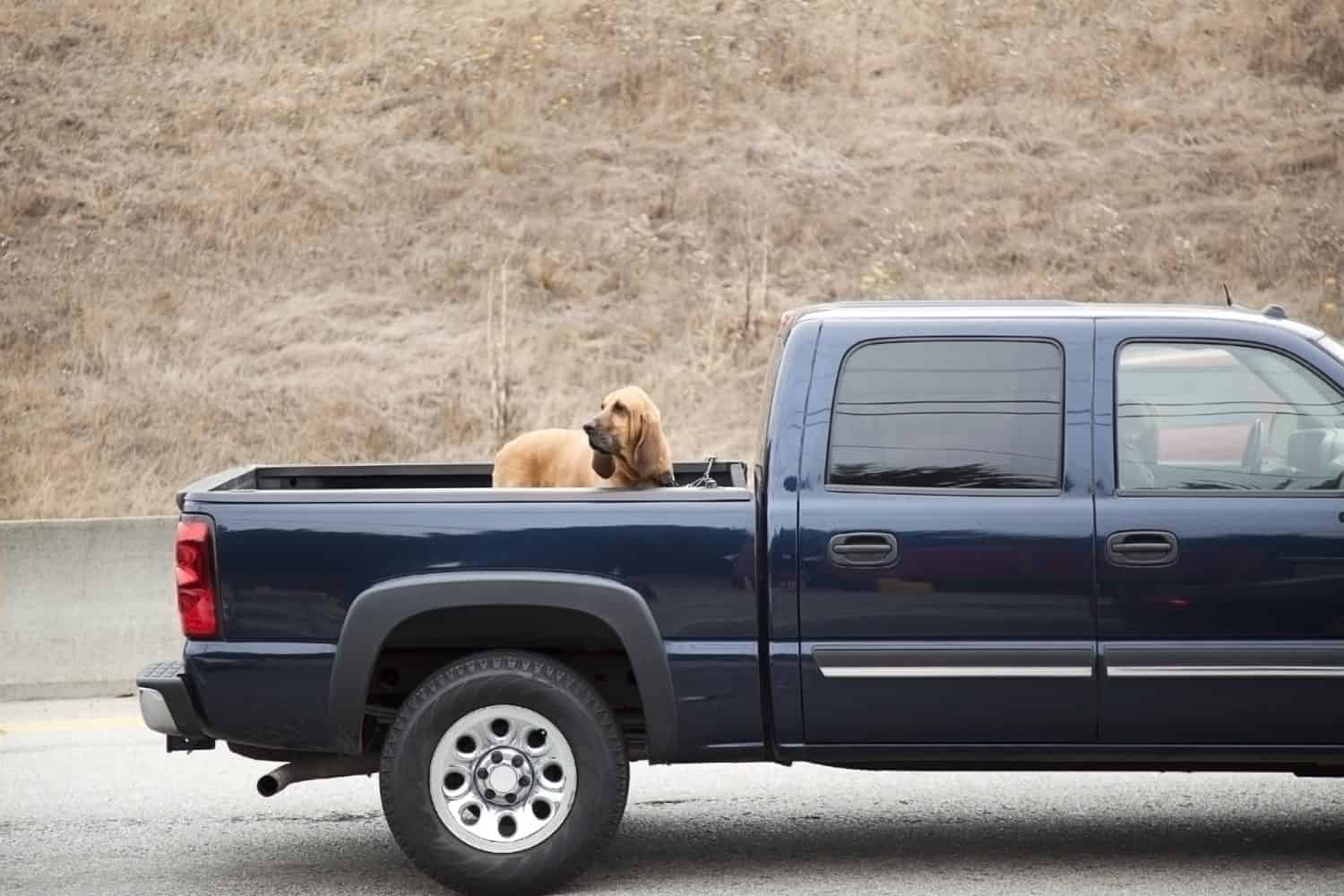
Modern pickups are no longer simple engines attached to frames and beds. Many now combine turbocharging, cylinder deactivation, hybrid hardware, active suspension, large touchscreens, driver-assistance cameras, electronic shifters, and dozens of control modules. Those features can improve power, fuel economy, comfort, and safety, but they also create more possible failure points. A software update may fix one truck remotely, while another may need a new engine or transmission. Redesigns are especially important to watch because new engines, electronics, and suppliers often arrive together, allowing one defective component to affect several related models.
How the Previous Owner Used the Truck Matters
©iStock.com/alptraum
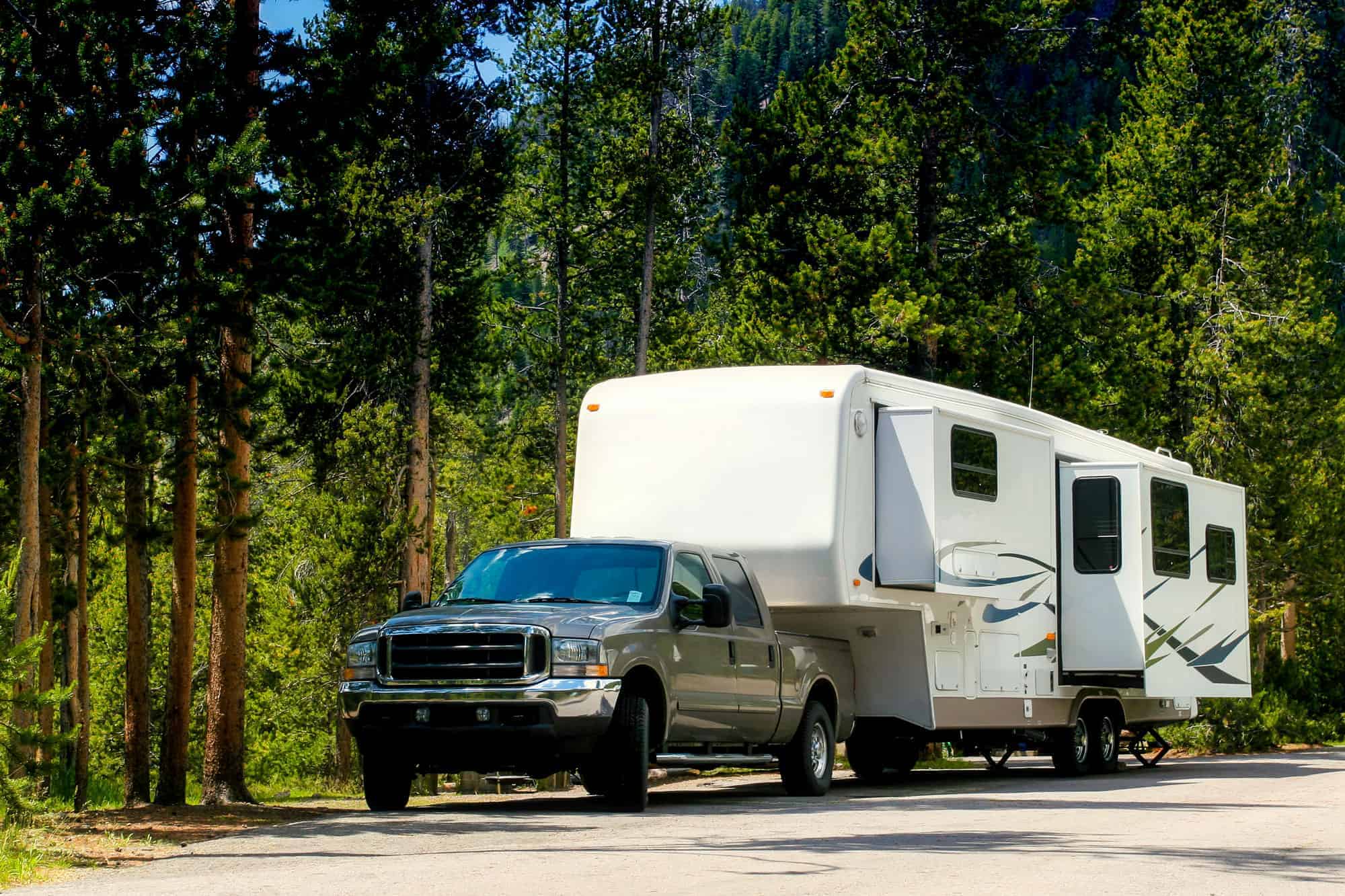
How a pickup is used can matter almost as much as the badge on the grille. Frequent towing, heavy payloads, off-road driving, long idle periods, and repeated short trips place different demands on the cooling system, transmission, suspension, brakes, battery, and tires. A truck that lives as a lightly used commuter may never expose the same weakness as one pulling near its rated limit every weekend. When shopping used, ask what the truck hauled, inspect the hitch and bed, look for modified suspension or oversized tires, and review maintenance intervals. A clean interior does not prove the drivetrain had an easy life.
What to Check Before Buying a Used Pickup

©fizkes/Shutterstock.com
Before buying any truck on this list, run its VIN through NHTSA’s recall database and the manufacturer’s owner portal. Recall repairs are free, but an unfinished campaign can reveal neglect or leave a safety problem unresolved. Service bulletins are different from recalls, so ask a dealer to check for known updates involving batteries, transmissions, steering, or infotainment systems. For a used purchase, pay for an independent inspection and obtain maintenance records. During the test drive, use every camera and screen, test four-wheel drive, listen during cold startup, and check for warning lights, rough shifts, vibration, or unexplained battery problems.
