
© Ground Picture/Shutterstock.com
For more than a century, car dealerships have served as the primary link between automakers and buyers. That model became deeply embedded in the automotive industry, but long-established systems are not automatically permanent. Consumer expectations are changing, digital retail tools are improving, and manufacturers are exploring new ways to sell vehicles with fewer traditional steps in the process.
In any competitive industry, businesses must continue improving or risk being overtaken by more efficient alternatives. That principle is central to process-improvement frameworks such as Six Sigma, which emphasize reducing friction, eliminating waste, and adapting operations to meet changing customer needs. Many traditional dealerships have been slow to respond to those pressures, particularly as buyers demand clearer pricing, faster transactions, and more online purchasing options.
This piece examines the forces reshaping the dealership model, the warning signs facing traditional retailers, and what the next phase of vehicle sales could look like for automakers, dealers, and consumers.
Industry Consolidation
©Jonathan Weiss/Shutterstock.com
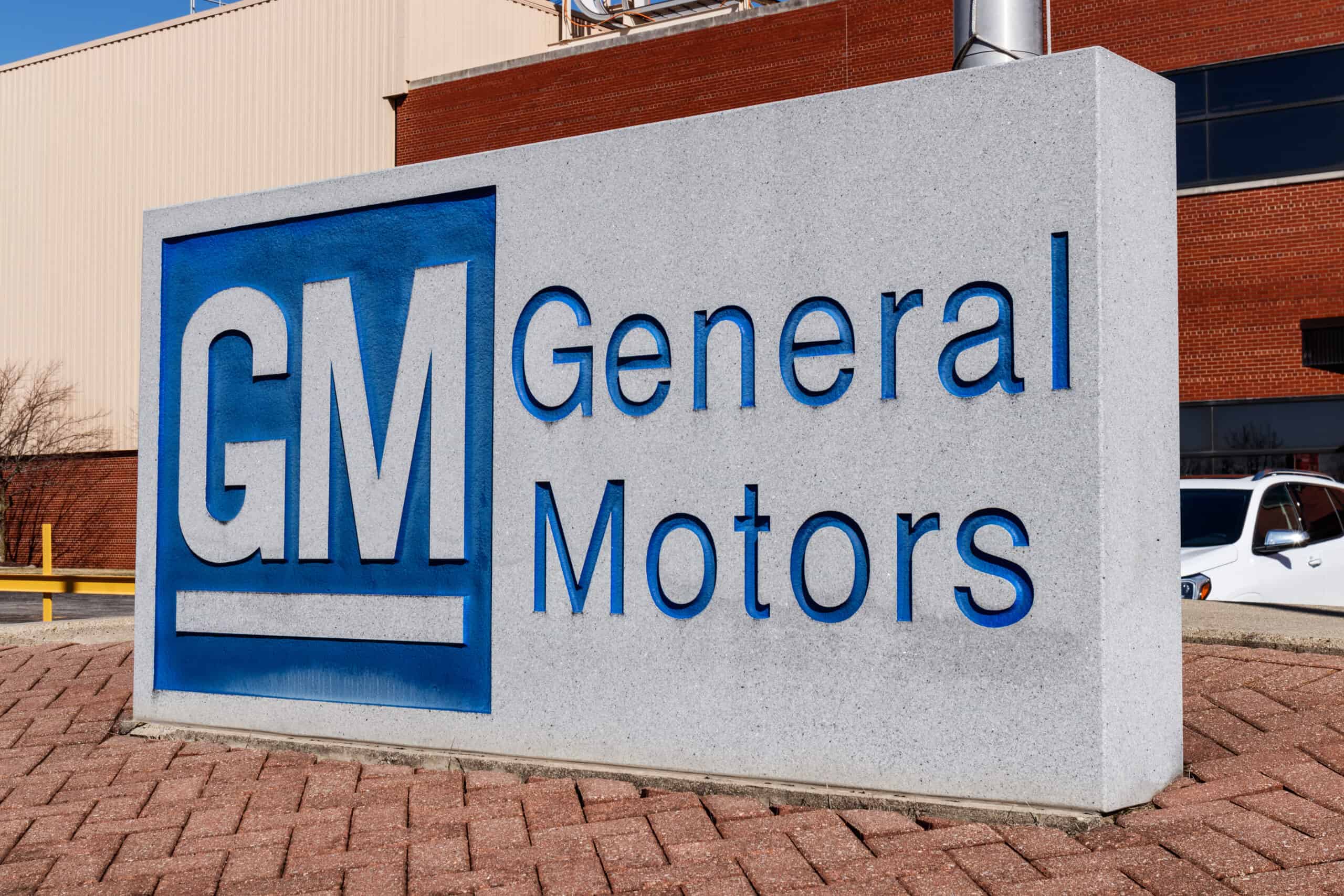
Half of the Buick dealerships in the United States have closed, or will soon. Since 2023, nearly 1,000 of these dedicated dealerships have closed. Ford has followed GM’s footsteps as well, eliminating nearly 50 retail dealers this year alone. Costs are going up, so consolidating brands across dealer networks can help to reduce operational costs and improve overall efficiency.
Razor-Thin Profit Margins
©iStock.com/jetcityimage
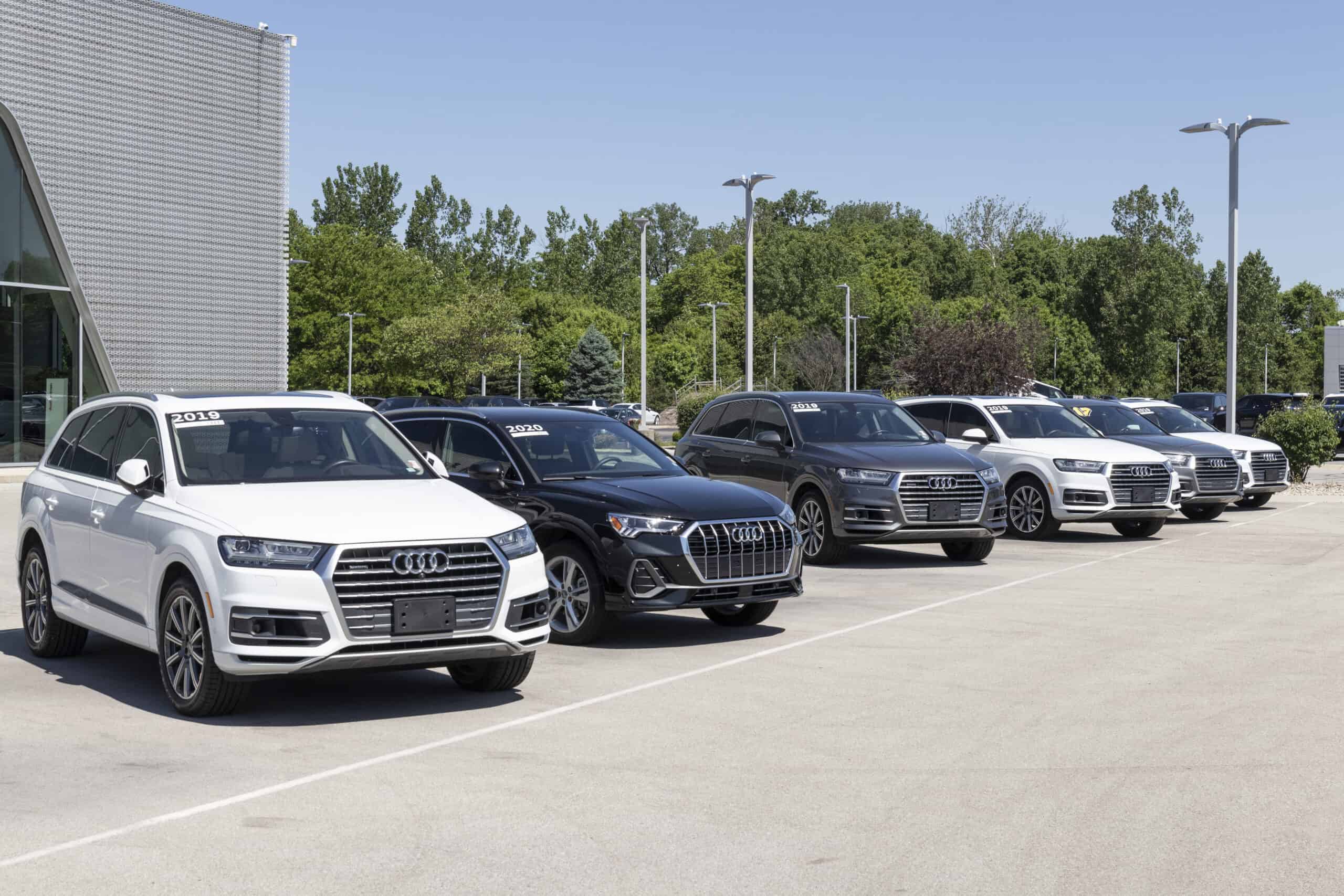
Historically, dealerships have relied on packaging things like financing, extended warranties, and in-house service to drive profits. The cost of cars is going up, and the introduction of factors like EVs has disrupted this model substantially. An EV has considerably less maintenance needs, resulting in a scenario where dealerships are struggling to stay afloat thanks to the scant margins provided on the sale of new vehicles.
Electric Vehicle Disruption
©Tada Images/Shutterstock.com
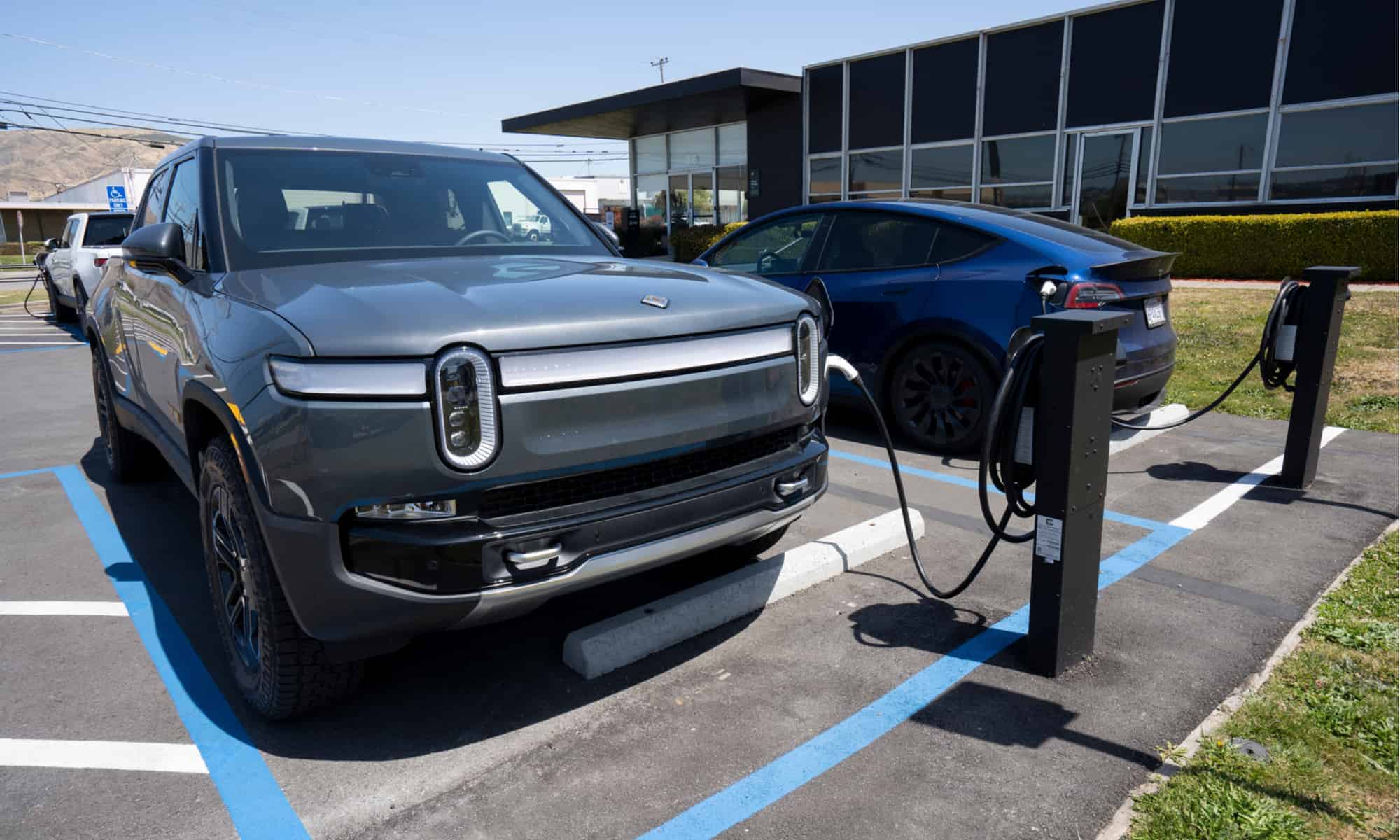
Returning to EVs for a moment, this has done considerable damage to independent dealerships. Generally speaking, the service center is the main profit driver for any independent dealership. EVs have lower maintenance as a natural result of having fewer moving parts. That revenue stream is slowly disappearing, and it’s taking dealerships along with it.
Consumer Preferences for Direct Sales
©Pincasso/Shutterstock.com
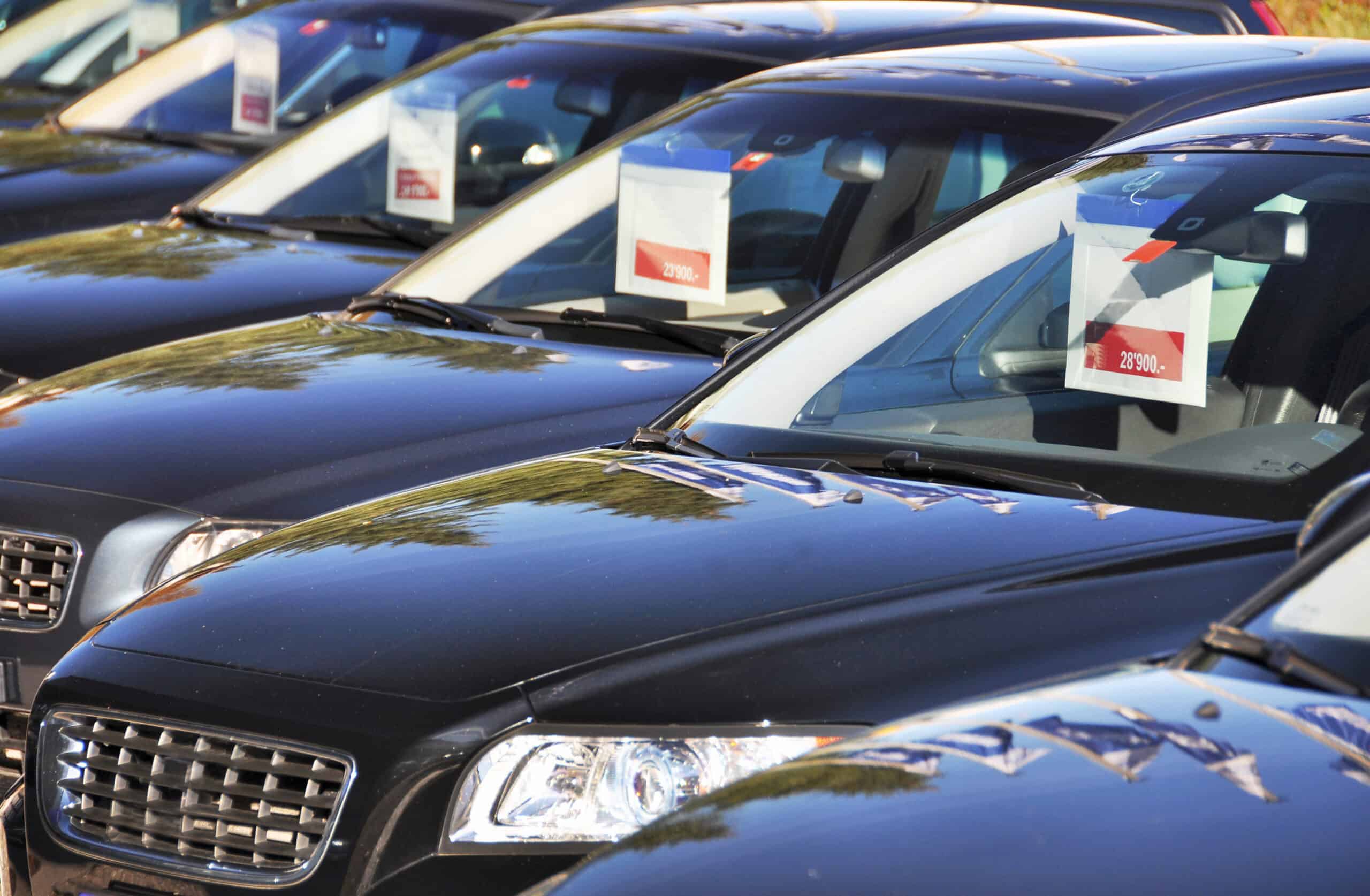
After a century of dealing with the dealership model, Americans are frankly tired of dealing with it. The negotiation process in particular is a sticking point, as salesmen try to upsell to bolster commissions. Consumer preferences are leaning toward transparency, often resulting in scenarios where no haggling is needed to get the best possible price on a new vehicle.
Inability to Compete With Online Models
©Blueee77/Shutterstock.com
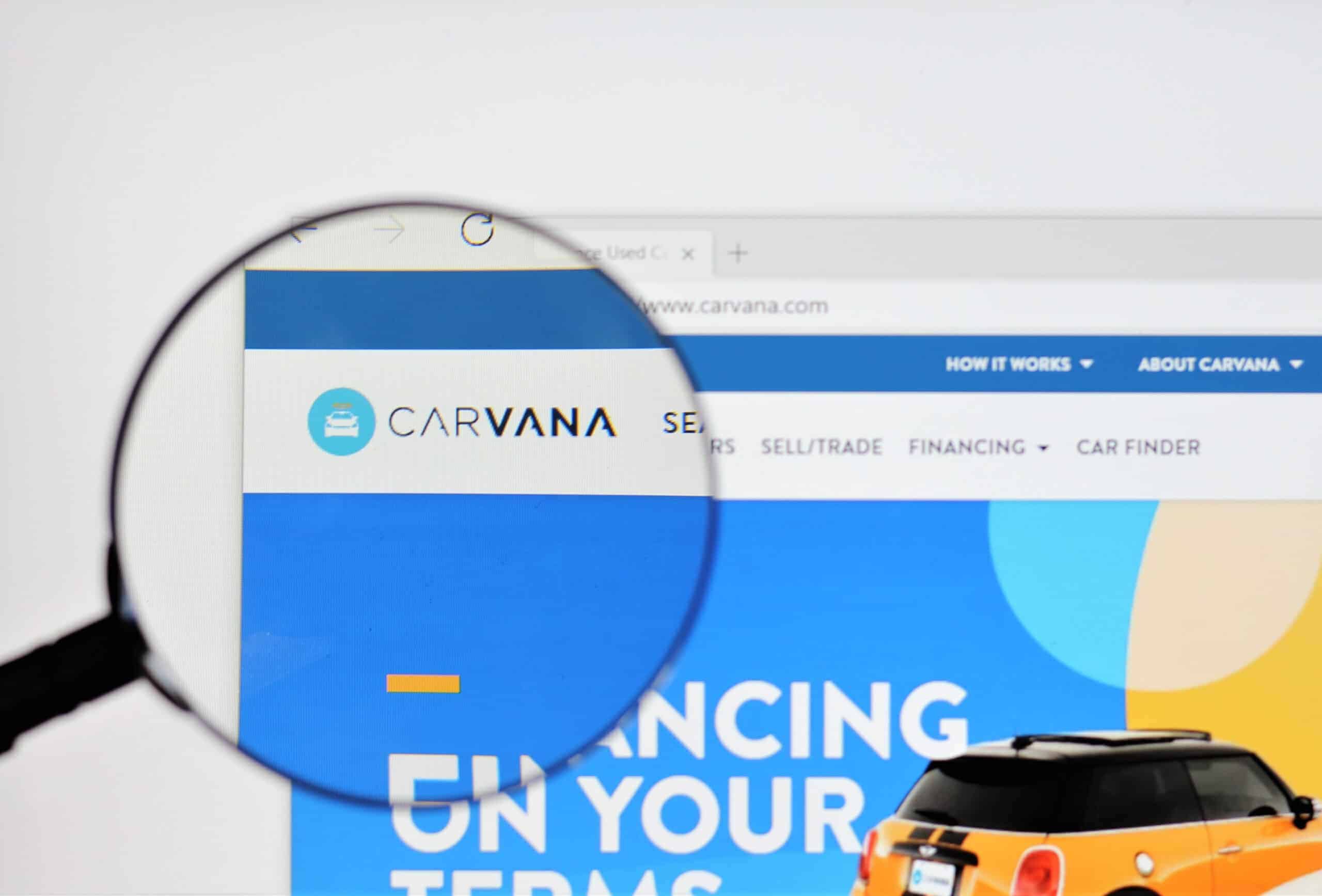
Another large motivating factor in the decline of dealerships is simply not modernizing. Salesmen are often found to be clueless about EVs, rebates, incentives, and other ongoing programs that could benefit the sale of a new vehicle. Compare this to online models like Carvana, where everything is laid out transparently when a consumer is browsing through the catalog. A failure to modernize is a common concern for any business, and dealerships have perhaps been too blind to the problem to account for the changing market trends in the 2020s.
Real Estate and Operational Costs
©Scharfsinn/Shutterstock.com
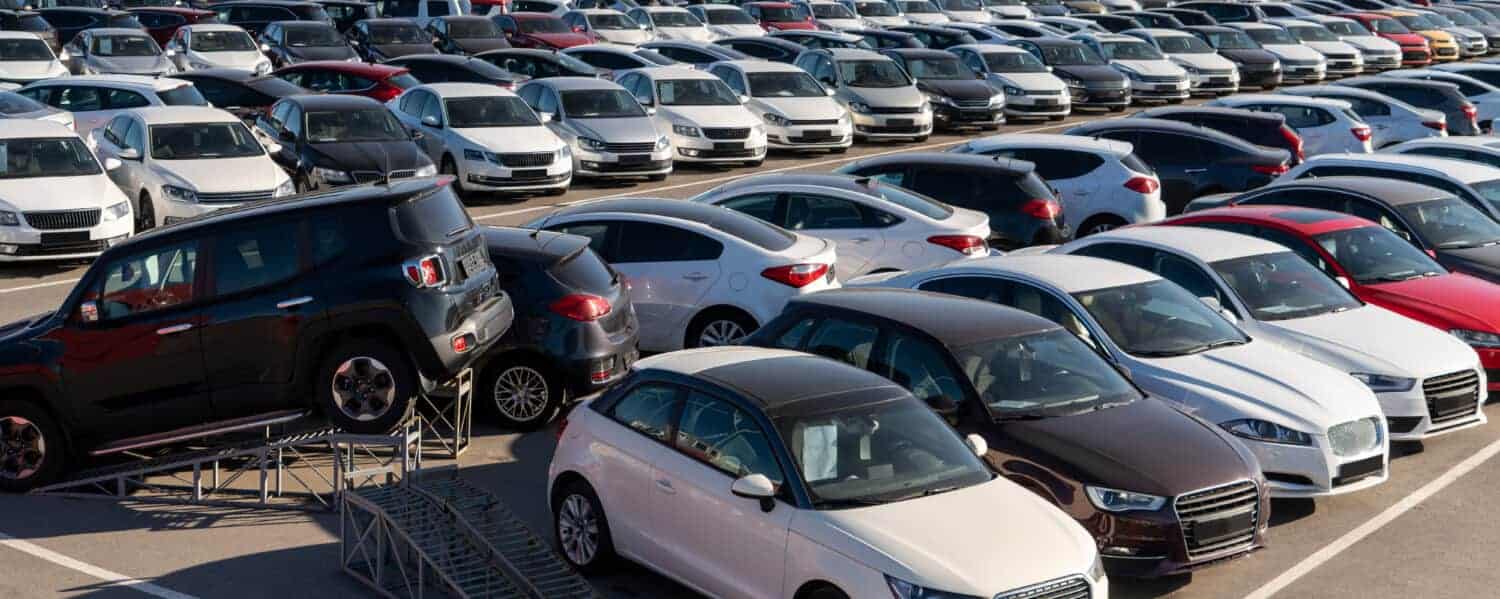
A normal dealership requires a considerable amount of land for the showroom, lots, and service bays, often picking prime locations that come with expensive rent as a result. As profit margins shrink, those operational costs start to mount quite quickly. Some dealerships simply cannot afford to stay open, as their profits can’t pay the bills.
Direct-to-Customer Push
©Grzegorz Czapski/Shutterstock.com
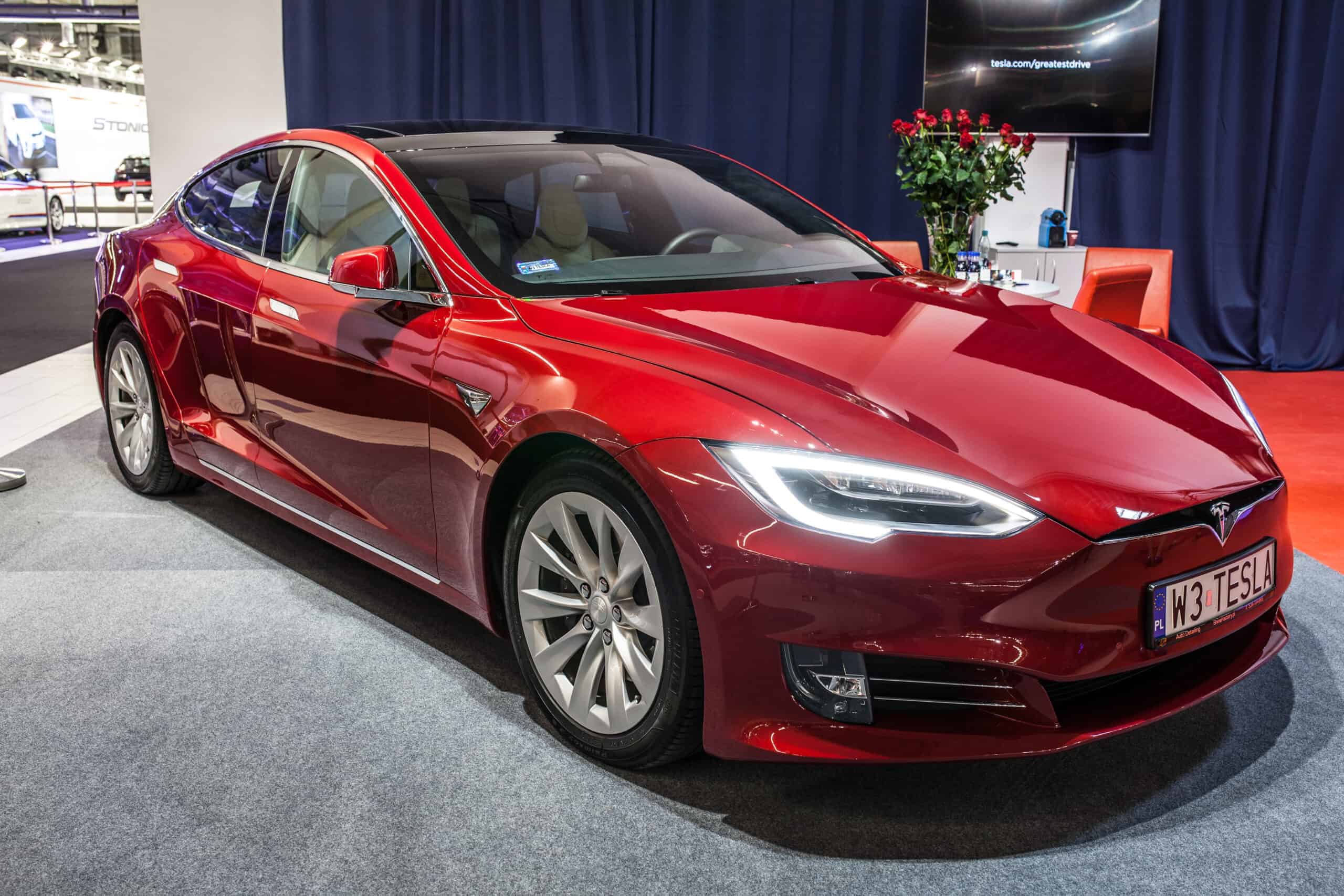
Tesla shook up the industry by selling directly to customers. In some ways, this has been a net benefit for consumers, as who is going to know the capabilities and specifications of a car better than the manufacturer? It wouldn’t come as a shock to see more manufacturers dealing directly with customers, as it helps to capture more profit for the sale of each vehicle and eliminates the middleman in the process.
Economic Pressure and Market Volatility
©Robert Way/Shutterstock.com
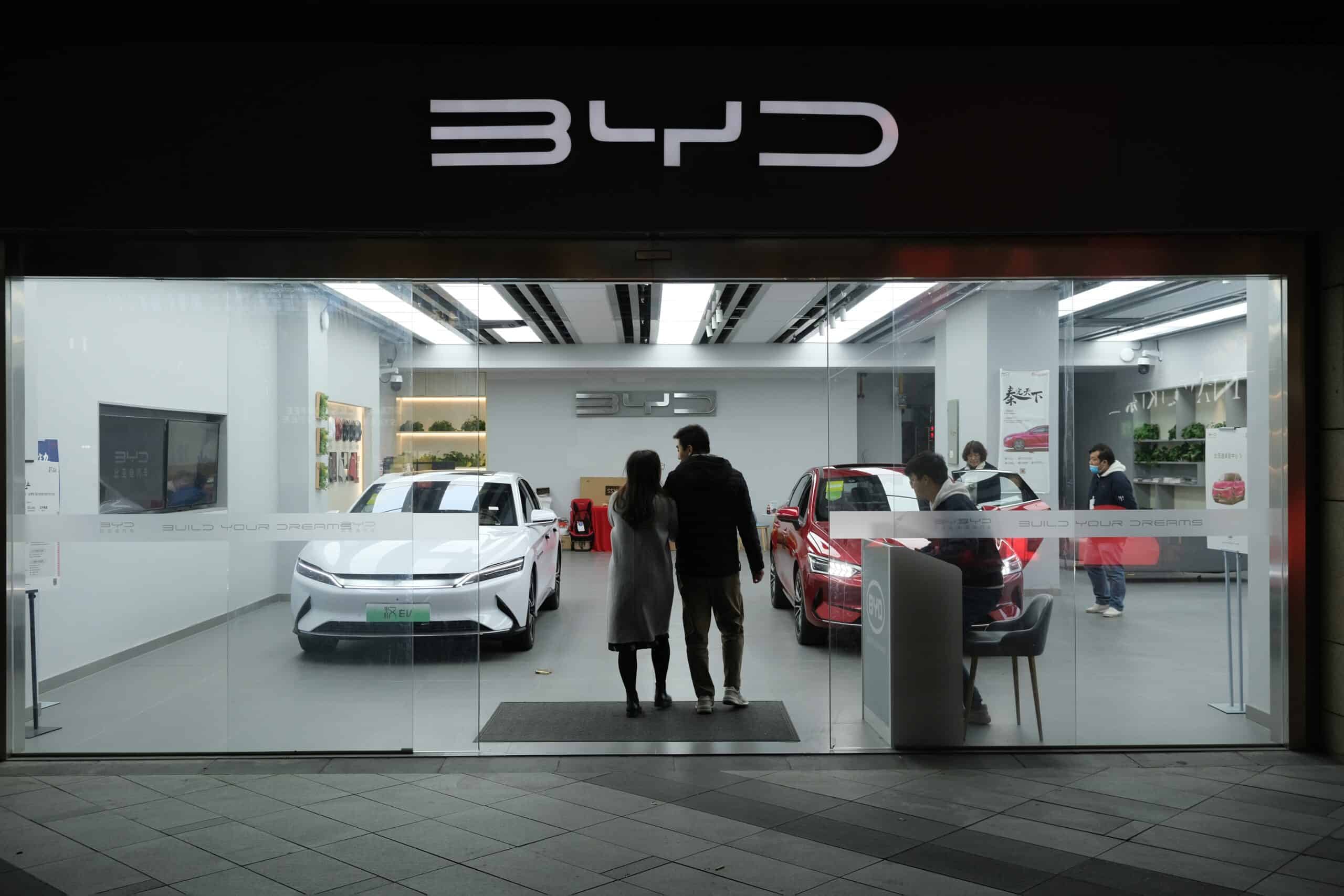
Dealerships faltering isn’t just a domestic problem, but is readily seen overseas. In China, car dealership groups working with BYD have closed, despite a flourishing auto market. Successful brands can’t shield a failing model from economic uncertainty and reduced financial opportunities. The same applies in the United States as well, as some dealerships simply cannot compete with changing market trends.
Changing Consumer Habits

©13_Phunkod/Shutterstock.com
When most modern consumers buy a car, they go online to research things extensively. This often means they head to dealerships with expected price ranges, specifications, and so forth in hand. Changing habits have led to consumers dealing with buying cars directly online, foregoing the traditional lot browsing experience, and cutting the middleman out entirely.
Legal and Regulatory Changes

©canadianPhotographer56/Shutterstock.com
Tesla has shaken up the industry in more ways than one. Dealerships are protected by regional legislation giving a fair amount of leeway to franchisees. However, Tesla has deep pockets and has been lobbying right back against these groups. Those very protections that are keeping dealerships afloat might not be in place for much longer.
Data and Sources

©TutuIonatan/Shutterstock.com
Kelley Blue Book has done some writing on the recent consolidation of dealerships. Car Dealer Magazine has also done some coverage on some of the topics covered today. Finally, BCG has done a fascinating presentation covering how dealerships can shift priorities to maximize profitability.
